On this page
The Future of Smart Packaging: How Technology is Reshaping Consumer Interaction
- What Is Smart Packaging?
- Why Is Smart Packaging Important?
- 1. Enhances Customer Engagement
- 2. Educates and Informs
- 3. Builds Trust and Brand Loyalty
- 4. Collects Real-Time Data
- Key Technologies Powering the Transformation
- ● QR Codes and NFC Tags
- ● Augmented Reality (AR)
- ● Sensors and Smart Labels
- ● Blockchain and Product Authentication
- Use Case Spotlight: AR in Consumer Packaging
- The ROI of Packaging Technology
- Future Trends: What’s Next in Packaging Technology?
- Conclusion


In today’s hyperconnected world, packaging is undergoing a dramatic transformation. No longer just a protective shell or marketing surface, packaging is becoming a key touchpoint in the consumer journey. At the heart of this evolution is packaging technology a broad field encompassing digital tools and systems that enhance how products are presented, used, and understood.
From interactive labels to augmented reality overlays, packaging is now an active player in brand storytelling, customer engagement, and even data collection. For brands ready to innovate, this shift represents a powerful opportunity to stand out and connect with audiences in more meaningful and measurable ways.
What Is Smart Packaging?
Smart packaging refers to any packaging enhanced by technology to offer added functionality beyond the traditional. Broadly, it includes:
Active Packaging: Designed to interact with the product (e.g., moisture absorbers, freshness indicators).
Intelligent Packaging: Provides information about the condition or history of the product (e.g., temperature tracking, tamper evidence).
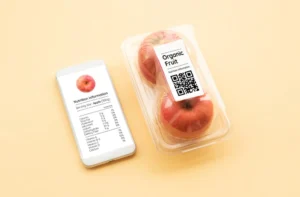
Connected Packaging: Enables digital interaction through devices like smartphones, using QR codes, NFC tags, or AR elements.
While active and intelligent features serve logistical or safety functions, connected packaging is where most marketing innovation is happening today.
Why Is Smart Packaging Important?
Modern consumers expect more from brands. They want transparency, convenience, personalisation and above all, experiences. Packaging technology enables all of this by turning each product into a digital gateway.
Here’s why it matters:
1. Enhances Customer Engagement
Instead of static visuals, packaging becomes a medium for interactive content. Scannable codes or AR visuals can reveal brand stories, behind-the-scenes videos, product tutorials, or gamified experiences that captivate audiences especially younger, tech-savvy consumers.
2. Educates and Informs
Smart packaging can explain complex product benefits, instructions, or sustainability practices in engaging formats. This is especially valuable for health, beauty, and food products where customers want to make informed choices.
3. Builds Trust and Brand Loyalty
Consumers are increasingly sceptical and demand proof of ethical sourcing, ingredient safety, or product authenticity. Smart packaging can provide this, using blockchain, NFC, or verification codes.
4. Collects Real-Time Data
Each scan or interaction becomes a data point. Brands can track when, where, and how customers engage with their packaging. This enables more personalised marketing, better demand forecasting, and deeper customer insights.
Key Technologies Powering the Transformation
The tools behind smart packaging vary in complexity and application. Here are some of the most impactful:
● QR Codes and NFC Tags
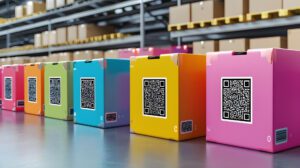
Simple yet powerful, QR codes and NFC tags link users to dynamic content. QR codes are cost-effective and widely understood, while NFC (often used in contactless payments) offers a tap-and-go experience that feels modern and seamless.
● Augmented Reality (AR)

AR bridges physical and digital worlds. Tools like HOVARLAY let brands overlay rich, immersive content on packaging—such as animations, virtual try-ons, or mini-games without the need for custom apps. This enhances shelf appeal and makes every product interaction memorable.
● Sensors and Smart Labels
Particularly important in food, pharma, and cold chain logistics, sensors can detect temperature, pressure, or freshness levels, while smart labels show real-time product condition. They also offer traceability, supporting recalls and safety protocols.
● Blockchain and Product Authentication
High-value goods—like luxury items or pharmaceuticals benefit from blockchain-enabled packaging. It allows for tamper-proof verification of product origin and supply chain integrity, providing consumers with peace of mind.
Use Case Spotlight: AR in Consumer Packaging
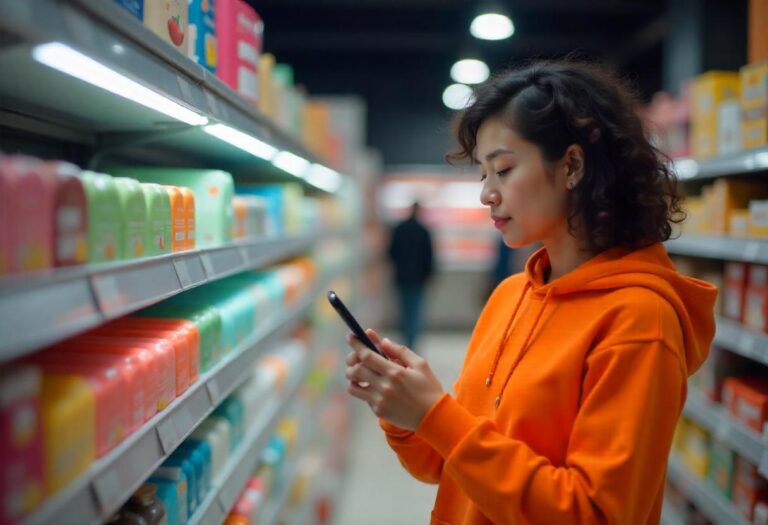
Imagine picking up a box of herbal tea. You scan the packaging with your phone. Instantly, leaves start blooming on your screen, a soothing voice introduces the ingredients and health benefits, and you’re offered a meditation playlist curated to your tea’s calming effects.
That’s the power of AR in packaging. It takes a routine shopping experience and elevates it into an emotional connection one that boosts brand recall and encourages repeat purchases.
Brands using tools like HOVARLAY can develop these experiences quickly and affordably, customising them for campaigns, regions, or even seasons.
The ROI of Packaging Technology
While implementing smart packaging may involve higher upfront costs especially for AR content, sensors, or NFC chips the long-term returns are substantial:
Increased engagement leads to better brand affinity.
Data-driven marketing reduces campaign waste.
Product authentication reduces counterfeiting.
Personalised experiences boost customer satisfaction.
Importantly, smart packaging is measurable. Brands can track scan rates, time spent engaging with content, and conversion from interaction to sale proving the value of each investment.
Future Trends: What’s Next in Packaging Technology?
As artificial intelligence, IoT, and machine learning continue to evolve, packaging will become even more dynamic. Here’s what we can expect in the coming years:
Hyper-personalised packaging that adapts based on user data or location.
Voice-assisted packaging, allowing products to “speak” to users via smart devices.
Eco-smart materials that combine sustainability with interactivity.
Auto-replenishment triggers, where packaging signals stock levels to reorder items automatically.
These innovations will redefine packaging from a passive format to an active, intelligent, and even predictive interface.
Conclusion
The packaging of tomorrow is already here. With advanced packaging technology, brands can turn ordinary boxes, bottles, and wrappers into extraordinary digital experiences.
From interactive storytelling to real-time analytics, smart packaging is not just a trend it’s a strategic advantage. As consumers demand more connection, transparency, and innovation, it’s the brands that embrace smart packaging today that will lead the market tomorrow.
With tools like HOVARLAY, creating these experiences has never been easier or more impactful.