



Meet the 

The judges brought different perspectives to the entries, assessing each work across the criteria below and looking at how the packaging, concept, and AR experience came together as one complete idea.
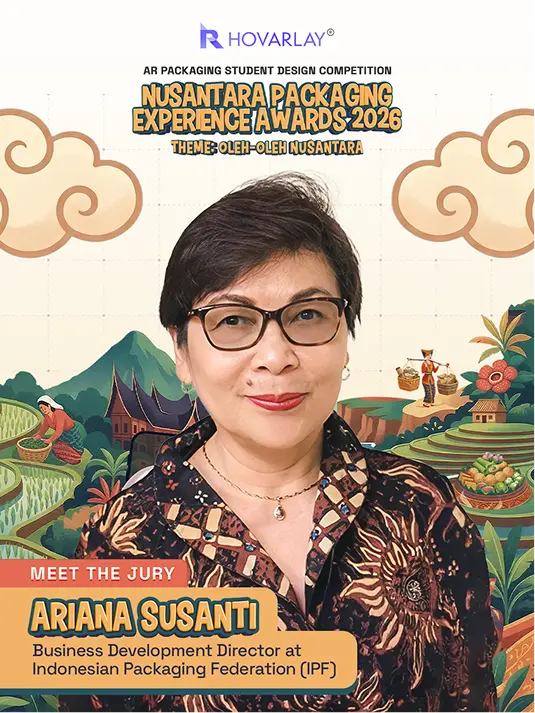
Ariana Susanti
Business Development Director, Indonesian Packaging Federation (IPF)

Faddy Ravydera
Co-Founder and Creative Director, SUKA STUDIO
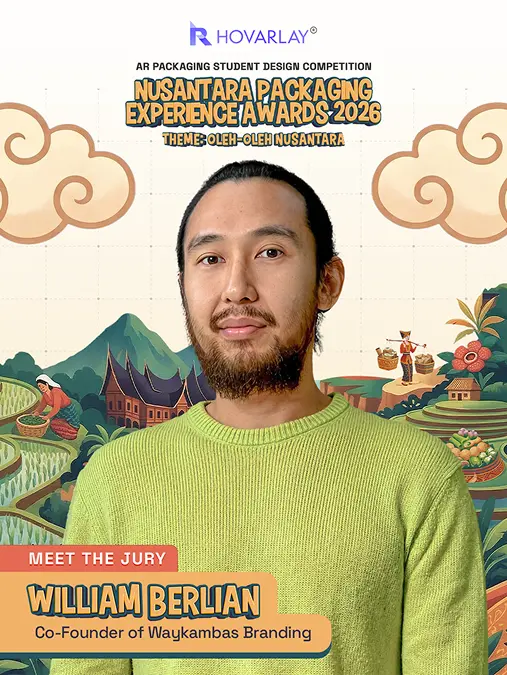
William Berlian
Co-Founder, Waykambas Branding

Yulia Saksen
Co-Founder and Director, Creativeans
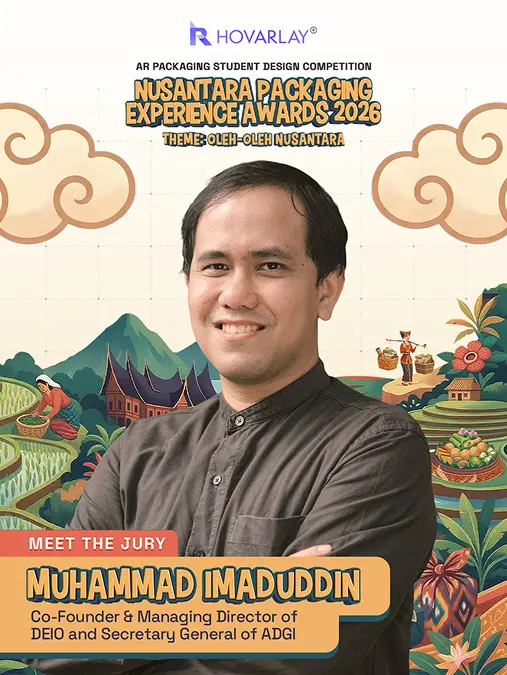
Muhammad Imaduddin
Co-Founder and Managing Director, DEIO; Secretary General, ADGI
How Entries Were Judged



Built For Meaningful Connections
NPEA 2026 united brands, packaging companies, educators, and creative partners to support Indonesia’s next generation of designers. Building on these partnerships, NPEA 2027 welcomes new organisations that share the same commitment to emerging creative talent.
As we move into NPEA 2027, we are building on these relationships while welcoming new organisations that share the same values.
“Senang banget bisa melihat karya-karya baru dari teman-teman mahasiswa di NPEA 2026. Banyak banget hal yang bisa diintegrasikan melalui physical packaging dan Augmented Reality.”
Muhammad Imaduddin, Co-Founder & Managing Director at DEIO and Secretary General at ADGI, Offline Judging NPEA 2026
- Partnerships are tailored, not tiered: no packages, only conversations.
- Each partnership is structured around genuine alignment, not inventory.
- Partners gain meaningful proximity to Indonesia’s most credible student design platform.
- The right partnership creates signal for your brand, talent pipeline, and industry position.
Tell us about your interest
We will respond within 2 working days with next steps.

Message us for a quick conversation
Prefer a direct message? Tap below to open a pre-filled WhatsApp conversation with the NPEA team.
Frequently asked questions
Who judged NPEA 2026?

An international jury of five: Ariana Susanti, Business Development Director, Indonesian Packaging Federation; Faddy Ravydera, Co-Founder and Creative Director, SUKA STUDIO; Muhammad Imaduddin, Co-Founder and Managing Director, DEIO, and Secretary General, ADGI; William Berlian, Co-Founder, Waykambas Branding; and Yulia Saksen, Co-Founder and Director, Creativeans.
How were entries scored?
Against five published criteria: visual design and shelf impact 25%, cultural storytelling and concept 25%, AR experience quality and value 25%, phygital integration 15%, and brief compliance and execution 10%.
Was judging anonymous?
Yes. Student names, student IDs and universities were removed before the jury saw any entry, so every entry was judged on its work alone.
Did the judges choose the People's Choice Award?
No. People’s Choice was decided by a separate public vote. Olivia Aditya’s Kemplang Udang Bangka won Second Prize from the jury and People’s Choice from the public: two independent processes, one design.