On this page
Connected, Smart, Interactive: A Clear-Eyed Glossary of Packaging Categories for CPG Marketers


Quick Answer
Connected packaging is any packaging that links to digital content via a trigger such as QR, NFC, or printed code. Smart packaging is packaging that contains sensors, indicators, or active elements that respond to physical conditions. Interactive packaging is packaging that invites a two-way exchange between consumer and brand, usually through digital triggers. AR packaging is a subset of interactive packaging that overlays digital content onto the physical product. The terms overlap but are not interchangeable, and CPG marketers brief better when they use them precisely.
Why the Terminology Matters
Walk into a packaging supplier meeting and ask for a quote on smart packaging. You will get four different proposals from four different vendors, none of which solve the same problem. One quote will be for printed NFC tags. One will be for time-temperature indicators. One will be for AR-enabled labels. One will be for IoT-enabled supply chain trackers. All four call themselves smart packaging. The brief was the problem.
Three terms get used interchangeably in CPG marketing conversations: connected packaging, smart packaging, and interactive packaging. AR packaging is a fourth term that sits adjacent to and inside the first three. The marketers who use the terms precisely brief better, scope better, and procure better. The marketers who use them loosely waste budget on misaligned vendor selection.
Connected Packaging
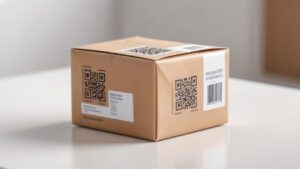
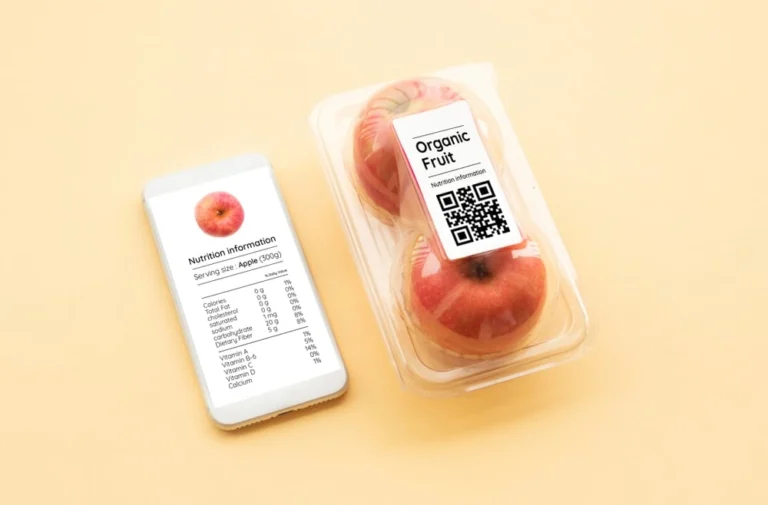
Connected packaging is any physical packaging that links the consumer to digital content through a trigger. The trigger can be a QR code, an NFC tag, a printed image marker, an RFID chip, a watermark, or any other machine-readable element. The defining characteristic is that the packaging itself doesn’t do anything dynamic. It carries a pointer to a digital destination.
Examples include any product carton with a QR code that opens a website, an instructional video, or a digital coupon. NFC-tagged premium spirits where the consumer taps to access provenance content. Watermarked packaging that triggers an experience when viewed through a specific app. The Uniqode 2026 State of QR Codes report estimated that 42 percent of marketers currently deploy QR codes on product packaging, which is one large slice of the connected packaging market.
Connected packaging is the broadest of the four terms. Every other category in this article is a type of connected packaging.
Smart Packaging
Smart packaging is connected packaging plus active functionality. The packaging itself contains sensors, indicators, or active electronic elements that respond to physical conditions, monitor product state, or trigger actions independently of a consumer scan.
Examples include time-temperature indicators on cold-chain pharmaceuticals that change colour when the product has been exposed to heat. Freshness indicators on perishable food packaging. RFID-enabled retail packaging that supports inventory tracking. Tamper-evident smart seals that record any opening attempt. The Mordor Intelligence 2026 smart packaging market analysis sized this segment at USD 25.84 billion in 2026, projected to USD 36.94 billion by 2031 at 7.41 percent CAGR. That market sizing primarily captures sensor-based smart packaging, not connected-packaging-only deployments.
Smart packaging is the right term when the packaging has an active functional component beyond the connection layer. AR-triggered packaging without a sensor is not smart packaging. It’s connected packaging. Calling it smart misrepresents the technical specification.
Interactive Packaging
Interactive packaging is connected packaging where the consumer and the brand exchange in real time. A QR code that opens a static product page is connected. A QR code that opens an AR experience, captures the consumer’s interaction, and delivers personalised content based on that interaction, is interactive.
The line between connected and interactive is the depth of the exchange. Interactive packaging implies a feedback loop. The consumer’s tap, scan, or gesture changes what they see next. The brand captures the engagement data and responds.
Examples include AR-triggered packaging with gamification mechanics, NFC-tapped packaging that personalises content based on previous taps, and any QR-led experience that adapts to the user’s input. Most modern AR packaging falls into the interactive packaging category. Most NFC-enabled premium spirits packaging does too.
AR Packaging
AR packaging is interactive packaging where the digital content is overlaid on the physical product through an AR rendering, viewed through the consumer’s device camera. The defining characteristic is the spatial overlay. The consumer sees the digital content on top of the physical product, not on a separate screen.
Examples include Coca-Cola’s 2024 Marvel campaign with characters appearing in AR over packaging. Kellanova’s 2024 AR protein bar with motivational content rendered over the wrapper. The Glenlivet Code with Zappar. Any AR-triggered packaging using marker-based or markerless tracking to overlay 3D or 2D content on the printed surface.
AR packaging is a subset of interactive packaging. It is one technical implementation method, not a separate category. The Grand View Research 2025 AR packaging market analysis sized this specific segment at USD 354.9 million in 2024, projecting USD 510.0 million by 2030 at 6.3 percent CAGR. Food and beverages dominated with 36.4 percent revenue share.
The Category Hierarchy
The four terms form a clean hierarchy when used precisely.
Connected packaging is the broadest term and encompasses every category below. If the pack has a digital trigger, it is connected.
Within connected packaging, smart packaging is the slice with active sensor or indicator functionality. The product itself responds or reports on physical conditions.
Also within connected packaging, interactive packaging is the slice where the brand and consumer exchange in real time through the digital trigger. The experience adapts to input.
Within interactive packaging, AR packaging is the implementation method where digital content is spatially overlaid on the physical product via the consumer’s device camera.
Smart and interactive can overlap. A sensor-enabled smart label that triggers a personalised digital experience based on the sensor reading is both smart and interactive. Most actual deployments stick to one category, but the technical possibility is there.
Why the Precision Changes the Procurement Conversation
Three procurement consequences flow from using these terms correctly.
Vendor selection. AR packaging vendors are not the same as smart packaging vendors. A platform that does WebAR cannot deliver a time-temperature indicator. A sensor printer cannot produce an interactive AR campaign. Bringing the right vendor to the table starts with naming the right category in the RFP.
Cost expectations. Smart packaging with active sensors carries hardware cost that connected packaging does not. AR packaging carries 3D production cost that simple connected packaging does not. The procurement budget that assumes all four categories are the same will fund either too much or too little, depending on direction.
Regulatory and supply chain implications. Smart packaging with active sensors may trigger different regulatory classifications, especially in pharmaceuticals and cold-chain food. Connected and AR packaging usually don’t. Misclassifying a category creates compliance risk.
The Category Trajectory
Connected packaging is the umbrella the entire industry is consolidating under. Appetite Creative’s 2026 Global Connected Packaging Survey found that 47.1 percent of brands now use both QR and NFC technologies in their packaging, indicating that multi-trigger deployments are becoming the norm rather than the exception.
Interactive packaging is the dominant growth segment within connected packaging, driven by gamification, storytelling, and first-party data capture priorities across CPG. Smart packaging continues to grow but in narrower verticals, primarily cold-chain food, pharmaceuticals, and luxury anti-counterfeit applications. AR packaging is the implementation method gaining the most marketing investment within interactive packaging, supported by the Mindshare UK Layered finding of 70 percent higher memory encoding and Snap’s 2025 finding of 2.4 times the ad awareness lift for AR campaigns.
For CPG marketers building a packaging-led digital strategy, the question is not which of the four categories to choose. It is how to brief the right combination for the specific consumer moment. A heritage snack brand might brief connected packaging with QR triggers and AR experience layers. A pharmaceuticals brand might brief smart packaging with sensor indicators and interactive consumer engagement. The precision of the brief shapes the precision of the result.
Frequently Asked Questions
Q: Is a QR code on packaging considered connected packaging?
Yes. Any packaging that carries a digital trigger linking the consumer to online content qualifies as connected packaging. A QR code that opens a static product page is the most basic form. The trigger doesn’t have to lead to a complex experience for the packaging to be considered connected.
Q: What’s the difference between AR packaging and a QR code that opens a video?
A QR code that opens a video is connected packaging. AR packaging specifically overlays digital content onto the physical product through the consumer’s camera, so the consumer sees the digital experience spatially anchored to the pack itself. The technical difference is the camera-based spatial rendering.
Q: Can a single SKU have both smart and interactive packaging elements?
Yes, and high-end deployments often combine both. A premium spirit pack might have an NFC tag for interactive consumer engagement plus a tamper-evident smart seal for authenticity. The two technologies coexist and serve different functions: interactivity for the consumer relationship, smart sensors for the supply chain or anti-counterfeit layer.
Q: Which category is growing fastest in CPG?
Interactive packaging led by AR-enabled experiences is growing fastest in CPG by marketing investment. The Towards Packaging 2026 market analysis identifies gamification and loyalty programs as the segment with the highest CAGR within AR packaging specifically. Smart packaging with active sensors is growing steadily but in narrower verticals, primarily pharmaceutical and cold-chain.
Q: Do I need to use one term consistently across my organisation?
Yes. Internal consistency saves time in cross-functional briefs. Most CPG organisations adopt connected packaging as the umbrella term and use AR packaging, smart packaging, or interactive packaging when referring to specific implementations. The vocabulary discipline pays back in procurement, vendor management, and campaign measurement.
About the author
Kimming Yap is the Co-Founder of HOVARLAY, an experience technology company building AR-enabled packaging and interactive consumer experiences for CPG brands across Southeast Asia.