On this page
Interactive Packaging: What It Is and Why CPG Brands Are Switching


TL;DR
- Interactive packaging adds a digital layer to physical product packaging, triggered by scanning a QR code or NFC tap with a smartphone.
- CPG brands use interactive packaging to deliver product stories, gamified campaigns, and lead capture directly from the label.
- No app download is required with WebAR-based interactive packaging users scan and experience instantly in their browser.
- HOVARLAY’s Campaigns module delivers a 13.23% average conversion rate from interactive packaging activations (HOVARLAY internal data, 2025).
- Interactive packaging works across food, beauty, beverage, and household goods any SKU with a label is a candidate.
What Is Interactive Packaging?
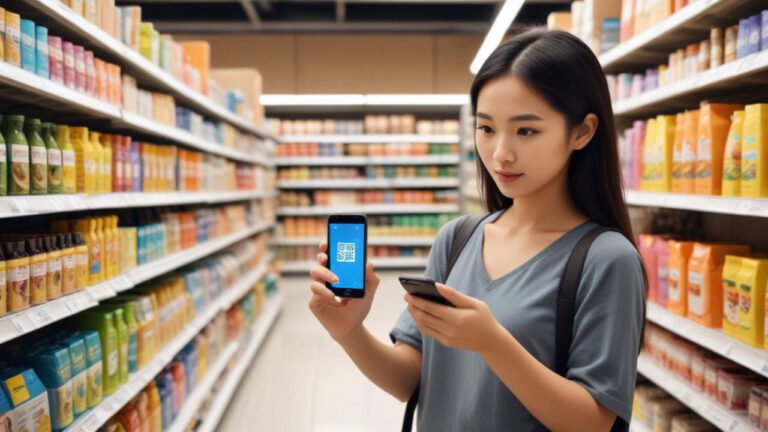
Interactive packaging is physical product packaging that triggers a digital experience when a user scans a QR code, taps an NFC tag, or points a smartphone camera at the label. The experience opens directly in the phone’s browser no app required and can include augmented reality, video, gamification, product information, or a lead capture form.
The term covers a wide range. At the basic end, a QR code linking to a product website counts as interactive. At the advanced end, a user scans a bottle and watches a virtual cocktail demo appear on their table in AR. HOVARLAY operates at the advanced end, but the barrier to build those experiences has dropped significantly.
Interactive packaging matters because physical shelf space is static. The label cannot change once printed. A digital layer attached to that label can be updated in real time, localised for different markets, and measured with the precision of a digital ad campaign. That combination physical reach with digital flexibility is what makes interactive packaging commercially attractive.
What Types of Experiences Can Interactive Packaging Deliver?
Interactive packaging can deliver a broad range of digital experiences from a single label scan. The format is flexible enough to match any campaign objective.
The most common use cases are: augmented reality product demos (show the product in use before purchase), gamified campaigns (spin-to-win, scratch cards, AR treasure hunts), product authentication and traceability, nutritional or ingredient deep-dives, brand storytelling through short video or animation, and lead capture tied to a prize mechanic.
HOVARLAY’s Campaigns module handles the gamification and lead gen layer. A brand running a spin-wheel promotion on packaging can capture email addresses, phone numbers, or loyalty sign-ups at the moment of highest purchase intent when the user is physically holding the product. The 13.23% average campaign conversion rate from those activations represents genuine contact acquisition, not just impressions (HOVARLAY internal data, 2025).
The experience design depends entirely on the brand objective. A premium spirits label might use AR to show a virtual distillery tour. A children’s snack brand might trigger an animated character. A health supplement might open an ingredient explainer with a discount coupon. Each is built in HOVARLAY Creator at hovarlay.com/webar-builder/ the same no-code platform, different output.
Why Are CPG Brands Switching to Interactive Packaging?
CPG brands are switching to interactive packaging because it turns a sunk cost into a performance channel. Every printed label is already paid for. Adding an interactive layer does not require reprinting it runs through a QR code or NFC tag that can be placed on existing packaging.
The commercial case is straightforward: a static label generates zero measurable data. An interactive label generates scan counts, session durations, click-through rates, lead captures, and conversion events. That data feeds back into media buying, product development, and campaign planning. Packaging becomes part of the martech stack.
For FMCG brands operating in competitive shelf environments, interactive packaging also creates a reason to pick up the product. A QR code that promises a prize, a recipe, or an AR experience gives a user something to do with the product in the aisle. That moment of engagement is not available to brands with static labels. For category leaders defending shelf position, and for challenger brands trying to earn attention, that difference is measurable at the point of sale.
How Does Interactive Packaging Work Without an App?
Interactive packaging built on WebAR technology requires no app download. The experience runs entirely in the smartphone’s native browser Safari on iPhone, Chrome on Android.
The trigger is typically a QR code printed on the label. When the user scans it, the phone opens a URL. That URL loads the WebAR experience powered by HOVARLAY Lens which uses the phone’s camera to overlay digital content on the real world. The whole flow takes under 10 seconds from scan to experience.
The no-app requirement removes the single biggest barrier to adoption for AR-based interactive packaging. Research consistently shows that requiring an app download significantly reduces participation rates. WebAR sidesteps that entirely. The user does not need to know what WebAR is, find an app in a store, grant permissions, or wait for a download. They scan a QR code, and it works.
This also matters for campaign reach. A brand running an interactive packaging promotion at retail scale needs near-100% of scanning users to complete the experience. App-based AR fails on that metric. WebAR does not. For brands serious about conversion not just impressions no-app delivery is the standard. See how no-app AR packaging compares at hovarlay.com/augmented-reality-articles/no-app-ar-packaging-how-brands-launch-webar-without-making-users-download-anything/.
How Do You Measure Interactive Packaging Performance?
Interactive packaging performance is measurable at every stage of the user journey, from first scan to lead capture or purchase intent action.
HOVARLAY Insights provides the analytics layer: total scans, unique users, session duration, drop-off points, campaign conversion rate, and geographic breakdown. These metrics can be tracked per SKU, per campaign, or across an entire brand portfolio. For the first time, a brand manager can open a dashboard and see exactly how many people scanned the seasonal limited-edition label, how long they spent with the AR experience, and how many left their contact details.
The relevant comparison is to traditional packaging ROI measurement which barely exists. Brands spend significant budget on label design, print, and retail placement, with no direct attribution to engagement or conversion. Interactive packaging makes that spend measurable. The data from HOVARLAY Insights plugs into existing martech stacks, making packaging a first-party data source rather than a black box.
For brands piloting interactive packaging for the first time, the recommended approach is to test on one SKU with a clear campaign objective: lead capture, contest entry, or product education. Measure that one SKU for 30 days. The data tells you whether to scale.
Frequently Asked Questions
Q: What is interactive packaging?
Interactive packaging is product packaging that triggers a digital experience when the user scans a QR code or taps an NFC tag. The experience can include augmented reality, video, gamification, or lead capture forms, and opens directly in the phone’s browser without requiring an app download.
Q: Is interactive packaging only for large brands?
No. HOVARLAY’s per-SKU pricing model (from $6 per SKU per month) makes interactive packaging accessible for small and mid-size brands, not just enterprise CPG companies. A single SKU pilot requires no long-term commitment and can be live within days.
Q: Does interactive packaging require reprinting labels?
Not always. If the existing label already has a QR code or can accommodate one as an add-on sticker, the digital layer can launch without reprinting. New campaigns, new AR content, and updated experiences are managed in HOVARLAY Creator without touching the physical label.
Q: How do I know if interactive packaging is working?
HOVARLAY Insights tracks scan volume, session duration, conversion events, and geographic data per SKU in real time. You can see exactly how many users engaged, for how long, and what they did lead captured, prize claimed, video watched within the same dashboard used to build the experience.
Q: What products work with interactive packaging?
Any product with a scannable surface works. Food, beverage, beauty, household goods, supplements, spirits, personal care. If it has a label large enough for a QR code, it can carry an interactive experience. The format is product-agnostic.
Related reading: Smart Packaging Technology: How Brands Turn Labels Into Channels | WebAR Creator: Build AR Packaging Without Writing Code