On this page
How Do Luxury Brands Implement Experience Marketing To Enhance Customer Loyalty?


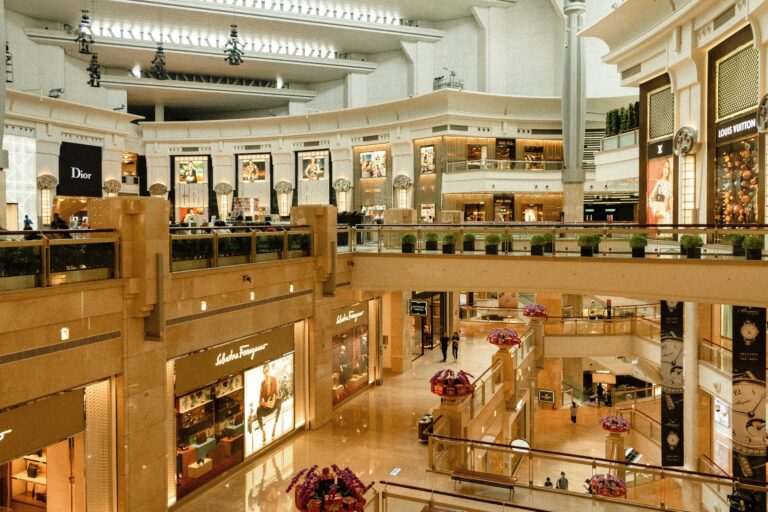
In Singapore’s premium retail and lifestyle ecosystem, luxury brands are increasingly relying on experience marketing to build deeper emotional connections and long term customer loyalty. Rather than focusing purely on products, brands now design experiential touchpoints that immerse consumers in stories, values and moments that elevate the overall brand experience.
This shift reflects changing consumer behaviour: today’s affluent shoppers seek meaning, participation and authenticity. In a market as competitive and digitally advanced as Singapore, experience-led initiatives help luxury brands strengthen brand identity, improve brand recall, and nurture lasting customer relationships.
The Role of Experiential Marketing in Luxury Brand Building
At its core, experiential marketing is about creating memorable, value driven interactions. Luxury brands leverage this approach to transform physical and digital environments into platforms for storytelling, emotion and engagement. When aligned with a clear marketing approach, experiential initiatives become powerful drivers of brand awareness, brand affinity and brand loyalty.
Well executed experiential marketing examples often include interactive experiences, immersive in store concepts and high touch engagements that elevate the overall consumer experience. In Singapore’s tightly connected market, these experiences also stimulate organic word of mouth marketing, amplifying reach beyond paid media.
Experiential Marketing Events as a Loyalty Driver
Luxury houses frequently invest in experiential marketing events such as private previews, invitation-only launches and curated cultural collaborations. These initiatives act as premium brand activation moments, allowing brands to engage their target audience in a highly controlled, intimate setting.
From elegant pop-up shops along Orchard Road to exclusive showcases at Marina Bay Sands, these marketing events support multiple marketing goals:
- Strengthening brand recognition
- Increasing consumer engagement
- Enhancing brand visibility and emotional connection
Unlike traditional advertising or even guerrilla marketing, experiential events prioritise participation, making them more impactful for long-term loyalty.
Experiential Marketing Strategy
A cohesive experiential marketing strategy is what turns individual experiences into sustained brand equity. In Singapore, leading luxury brands adopt a long-term, insight-driven strategy that ensures every experience reflects their brand values and broader marketing strategy.
This begins with a deep understanding of the target audience, supported by data-led consumer insights. Brands then orchestrate each touchpoint from physical brand events and themed installations to online extensions to create a seamless, premium marketing experience.
A strong experiential marketing strategy also bridges offline and online worlds. Physical immersive experiences are amplified through digital experience marketing, social platforms and content driven engagement marketing, increasing brand presence and reinforcing brand recall. This integrated experiential strategy ensures experiences continue to build customer relationships well beyond a single interaction.
Digital Experience Marketing and Immersive Innovation
Singapore’s digitally mature consumers expect luxury brands to deliver seamless, elevated experiences across channels. This has accelerated the adoption of digital experience marketing, enabling brands to extend physical moments into ongoing digital engagement.
Technologies that support immersive experiences allow brands to deepen consumer engagement, enhance social media engagement, and support cohesive marketing campaigns. These tools also provide measurable insights that help refine future marketing tactics.
HOVARLAY and the Future of Experiential Campaigns
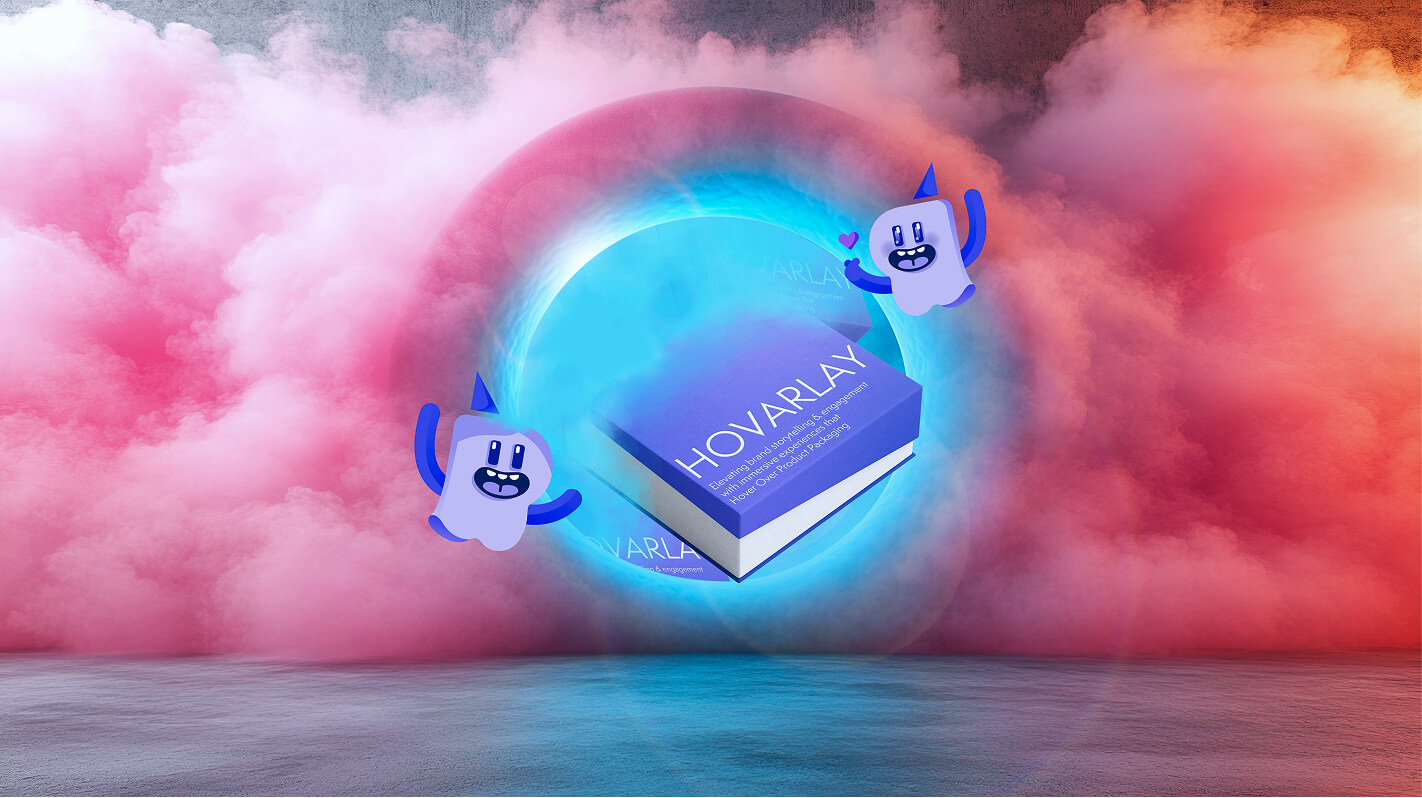

A notable innovation in Singapore’s experience led landscape is HOVARLAY, a locally headquartered augmented reality platform designed for modern experiential campaigns. HOVARLAY enables luxury brands to transform static packaging, print and physical assets into dynamic, interactive storytelling channels without requiring apps or complex redevelopment.
By embedding digital layers into everyday touchpoints, HOVARLAY supports:
- Scalable experiential advertising
- Rich, data driven marketing experience
- Stronger emotional connection through interactive experiences
For luxury brands, this approach enhances brand presence, strengthens brand loyalty, and turns each interaction into a moment of discovery that drives repeat engagement.
From Brand Activation to Long-Term Loyalty
When aligned with clear objectives and the right marketing tactics, experience marketing evolves from short-term activation into a sustainable growth engine. By combining event marketing, immersive environments and technology enabled storytelling, luxury brands can create high-impact marketing campaigns that resonate deeply with their audience.
The result is stronger brand recall, increased trust and enduring customer loyalty essential outcomes in Singapore’s competitive luxury market.
Conclusion
In an experience-driven economy, products alone are no longer enough. In Singapore, luxury brands that invest in experience marketing, supported by a clear experiential marketing strategy and innovative platforms like HOVARLAY, are better positioned to influence behaviour, elevate perception and foster long-term loyalty. By prioritising meaningful experiences over transactions, brands secure relevance, resonance and sustained growth in the luxury sector.