On this page
AR Packaging Solution: How to Select the Right One


TL;DR
- An AR packaging solution connects physical product labels to browser-based digital experiences, no app required.
- The right solution handles scanning, content delivery, analytics, and campaign logic in one workflow.
- Key evaluation criteria: no-code builder, per-SKU pricing, built-in lead capture, and WebAR delivery.
- Brands that pilot AR on one SKU first consistently reduce deployment risk and sharpen their campaign strategy.
- HOVARLAY offers a free tier so teams can test AR packaging before committing to a plan.
What Is an AR Packaging Solution?
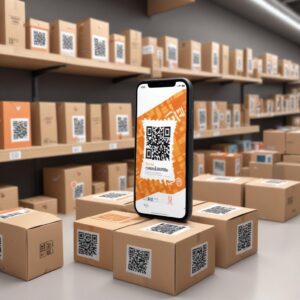
An AR packaging solution is a platform or system that transforms a physical product label into a trigger for an augmented reality experience delivered through a mobile browser. The user scans a QR code or NFC tag on the packaging, and the AR experience opens directly in their browser, no app download needed. The solution handles the entire chain: trigger encoding, WebAR content delivery, campaign logic, and post-scan analytics.
The term covers more ground than many brands expect. A complete AR packaging solution is not just a content viewer. It is a campaign platform. It includes the tools to build the experience, the infrastructure to deliver it at scale, and the analytics layer to measure what happens after the scan. A viewer-only product is a starting point, not a solution.
The global augmented reality market was valued at USD 120.21 billion in 2025 and is projected to reach USD 1,050.56 billion by 2033, growing at a CAGR of 29.7% (Grand View Research, 2025). For CPG brands, the packaging touchpoint is one of the highest-leverage entry points into that market. Most brands have millions of units in active distribution. Each unit is a potential digital channel.
Why the Right AR Packaging Solution Matters More Than the Technology
Picking the wrong AR packaging solution costs more than the subscription fee. It costs time, design resources, and the opportunity that the wrong tool could not deliver. The three most common mistakes:
- Developer-heavy platforms. Many AR tools require WebGL engineers, custom SDK integration, or a dedicated technical team to build and update each experience. For a CPG brand running seasonal campaigns, that setup creates a bottleneck every time the brief changes. A no-code AR packaging solution removes that dependency.
- No analytics from the start. Scan rates, session duration, and conversion paths tell you whether the experience is working. If your AR packaging solution does not surface those metrics natively, you are flying blind. HOVARLAY Insights tracks every interaction from scan to conversion without a separate reporting stack.
- Per-view pricing. Some platforms charge based on the number of times users load the AR experience. This model is unpredictable and punishes successful campaigns. Per-SKU pricing gives brands the cost certainty they need to scale.
How to Evaluate an AR Packaging Solution Before You Commit
Evaluating an AR packaging solution well takes less than a week if you know what to test. Cover four dimensions:
- Build capability. The solution should let a non-technical team member build a working AR experience within a single session. If it requires documentation, a developer handoff, or a support ticket to go live, it is too complex for a campaign-pace workflow. HOVARLAY Creator is designed so brand managers can go from brief to published experience in under an hour. See how at /webar-builder/.
- Delivery reliability. Test the experience on Android Chrome, iOS Safari, and Samsung Internet before you commit. These are the three dominant mobile browsers in Southeast Asia and most of Asia Pacific. A solution that breaks on any of these is not ready for market.
- Campaign depth. Does the solution offer gamification, lead capture, and conditional logic based on scan location or product variant? HOVARLAY Campaigns delivers spin-to-win mechanics, form-based lead capture, and conditional campaign routing in one platform. The average campaign conversion rate across HOVARLAY deployments is 13.23% (HOVARLAY internal data, 2025).
- Pricing model. Request a clear breakdown of what changes as you scale. Per-SKU, per-seat, and per-view models each have different risk profiles. If the vendor cannot give you a clear answer at 10, 50, and 500 SKUs, move on. HOVARLAY starts at the free tier, scales per SKU, with no per-view fees. See /pricing/.
Deploying an AR Packaging Solution: Start Small, Scale Fast
The most effective deployment pattern for a first AR packaging solution is to pilot on one SKU. Select a product that already has strong retail distribution, a defined seasonal or promotional moment, and an existing audience that scans QR codes. Then follow these steps:
- Set one primary metric before launch. Scan-to-conversion rate, lead capture volume, or average session duration. Design the experience around it.
- Launch and measure for 30 days. The HERA Bathroom team did exactly this with their Chinese New Year red packet campaign, connecting a physical gifting product to a digital brand experience through HOVARLAY Lens.
- Review Insights data after the campaign. Where did users drop off? Which content elements drove the most engagement? What was the conversion rate against your goal?
- Brief the next SKU using what you learned. This is how a pilot becomes a programme.
The smart packaging market is projected to reach USD 43.3 billion by 2030, growing at a CAGR of 6.2% from 2024 (Grand View Research, 2024). Brands that build operational muscle with AR packaging now will have a significant head start as the category matures.
Connecting Your AR Packaging Solution to Your Wider MarTech Stack
An AR packaging solution should not sit in isolation. Scan data, lead capture forms, and campaign metrics all have value beyond the campaign dashboard. The most effective teams:
- Pipe AR lead data into their CRM and segment post-campaign email flows from it
- Feed conversion data back into paid media attribution models
- Use HOVARLAY Insights to get a consolidated view of campaign performance across all active SKUs
HOVARLAY integrates with standard MarTech export formats, allowing teams to export lead data from Campaigns directly into their CRM or email platform. If you are evaluating AR as a lead generation tool specifically, the /ar-lead-generation/ article walks through how brands structure their lead capture campaigns and what conversion rates to benchmark against.
Real results from a well-deployed AR packaging solution come from the combination of the right tool, a specific campaign goal, and a measurement framework built before launch. Start free at https://dashboard.hovarlay.com/signup, pilot on one SKU, and build from there.
FAQ
Q: What is an AR packaging solution?
An AR packaging solution is a platform that connects a physical product label to a browser-based augmented reality experience via QR code or NFC tag. It includes tools to build AR content, deliver it to mobile users, run campaign logic, and measure results. No app download required.
Q: How do I choose the right AR packaging solution for my brand?
Evaluate build interface (can a non-developer use it?), delivery reliability across iOS and Android browsers, campaign features like lead capture and gamification, and the pricing model. Avoid per-view pricing if you expect high scan volumes. Test any platform on a real device before committing.
Q: How much does an AR packaging solution cost?
Costs vary by platform. Per-view pricing becomes expensive quickly on successful campaigns. Per-SKU pricing, which HOVARLAY uses, offers more predictable cost scaling. HOVARLAY’s free tier lets brands test before committing to a paid plan. View the full breakdown at /pricing/.
Q: Do I need developers to deploy an AR packaging solution?
Not with a no-code platform. HOVARLAY Creator allows brand managers to build, edit, and publish AR packaging experiences without writing any code. Developer resources are only needed for custom backend integrations.
Q: What results can I expect from an AR packaging solution?
Results depend on campaign goal, experience quality, and distribution of the trigger. HOVARLAY campaign deployments achieve an average conversion rate of 13.23% (HOVARLAY internal data, 2025), measured from scan to a defined action such as form completion or spin-to-win entry. Start with one SKU, measure clearly, and iterate.
Start free at https://dashboard.hovarlay.com/signup
Related reading: Interactive Packaging: What It Is and Why CPG Brands Are Switching | How AR Packaging Works: From QR Code to Immersive Experience
Related reading: Interactive Product Packaging: The CPG Brand Playbook | WebAR Builder: Create AR Packaging Without Writing Code