
On this page
Eco-Friendly Packaging: Transforming the Future of Sustainable Branding


The growing demand for environmentally responsible products has brought eco-friendly packaging to the forefront of modern business strategies. Consumers today are not just purchasing products—they are buying into a brand’s values. For businesses aiming to stay competitive and relevant, adopting sustainable packaging is no longer optional; it is a necessity. This article explores the essentials of eco-friendly packaging and how it is reshaping industries worldwide.
What is Eco-Friendly Packaging?
Eco-friendly packaging refers to materials and designs that minimise environmental impact while maintaining functionality and aesthetic appeal. It is characterised by:
- Renewable Materials: Utilising resources like bamboo, hemp, or recycled paper.
- Reduced Waste: Minimising unnecessary materials and waste during production.
- Reusability and Recycling: Creating packaging that consumers can reuse or recycle.
- Biodegradability and Compostability: Ensuring that packaging decomposes naturally without harming the environment.
By incorporating these elements, eco-friendly packaging aligns with sustainable development goals while enhancing a brand’s reputation.
Why Eco-Friendly Packaging Matters
- Environmental Benefits
Eco-friendly packaging reduces pollution, conserves natural resources, and promotes a circular economy where materials are reused rather than discarded. - Consumer Preference
A recent study shows that 72% of consumers are willing to pay more for products with sustainable packaging. Brands that embrace eco-conscious designs often enjoy higher loyalty and positive public perception. - Regulatory Compliance
Governments worldwide are enforcing stricter environmental regulations. Adopting eco-friendly packaging helps brands meet these standards while avoiding potential penalties. - Cost Savings
While initial investments may be higher, sustainable packaging often leads to long-term savings by reducing material usage and waste management costs. - Market Differentiation
Eco-friendly packaging positions brands as leaders in sustainability, setting them apart in crowded markets.
Innovative Examples of Eco-Friendly Packaging
- Plant-Based Plastics
Derived from renewable sources like corn or sugarcane, these plastics offer the functionality of traditional materials without the environmental drawbacks. - Biodegradable Wrappers
Materials such as seaweed or cellulose are being used to create compostable wrappers for food and beverage products. - Reusable Containers
Brands are increasingly offering glass jars, stainless steel tins, and other durable packaging options designed for multiple uses. - Edible Packaging
Edible materials, such as rice paper or potato starch, are gaining traction in the food industry as an innovative solution to reduce waste. - Recycled Cardboard and Paper
Widely used across industries, recycled paperboard is both cost-effective and environmentally friendly. - Water-Soluble Films
These films dissolve in water, providing a waste-free solution for single-use products like detergents or capsules. - Minimalist Packaging Design
Simple, sleek designs reduce excess material while appealing to eco-conscious consumers.
Key Challenges in Eco-Friendly Packaging
While the benefits are substantial, implementing eco-friendly packaging comes with challenges:
- Higher Initial Costs: Sustainable materials can be more expensive than traditional options.
- Supply Chain Limitations: Availability of eco-friendly materials may vary, affecting scalability.
- Consumer Awareness: Educating consumers on proper disposal methods is essential to maximise environmental benefits.
- Balancing Durability with Sustainability: Ensuring packaging protects the product without compromising on eco-friendliness can be complex.
How Technology Enhances Eco-Friendly Packaging
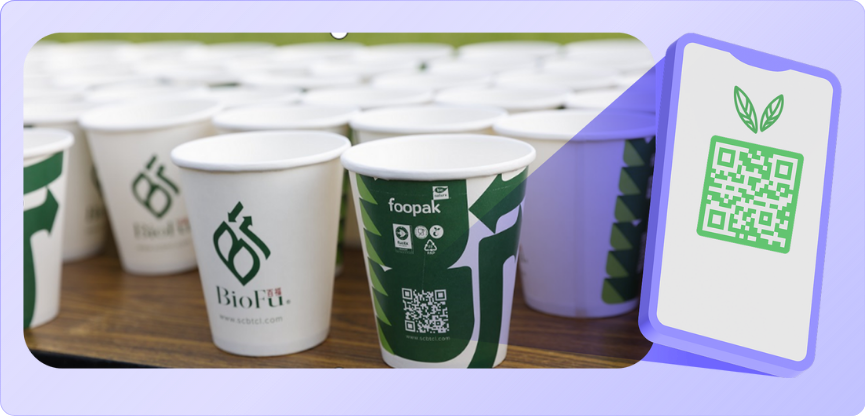
Technology is playing a pivotal role in advancing sustainable packaging solutions. Tools like augmented reality (AR) enhance the consumer experience while reducing the need for additional printed materials.
AR Applications in Eco-Friendly Packaging:
- Digital Manuals: Replace traditional instruction booklets with interactive, scannable guides.
- Educational Content: Inform consumers about the materials, sourcing, and disposal methods of the packaging.
- Enhanced Storytelling: Use AR to share your brand’s sustainability journey, fostering a deeper connection with customers.
The Role of HOVARLAY in Eco-Friendly Packaging
HOVARLAY empowers brands to integrate cutting-edge AR technology into their eco-friendly packaging strategies. By combining sustainability with innovation, HOVARLAY enables businesses to:
- Eliminate Paper Waste: Replace printed inserts with engaging digital experiences.
- Educate and Inspire: Use AR to share sustainability practices and recycling tips with consumers.
- Boost Engagement: Enhance customer interaction with immersive content directly accessible via packaging.
HOVARLAY’s commitment to sustainability helps brands stay ahead of the curve, ensuring their packaging solutions are as impactful as they are eco-friendly.
Conclusion
Eco-friendly packaging is more than a trend—it’s a transformative movement shaping the future of branding and consumer behaviour. By adopting sustainable materials and leveraging innovative technologies like AR, businesses can reduce their environmental impact while fostering deeper connections with their audience.
With HOVARLAY’s expertise, brands can seamlessly integrate sustainability with interactivity, delivering packaging that not only protects the planet but also captivates consumers. Embrace eco-friendly packaging today and set your brand apart in an increasingly eco-conscious world.