On this page
Why Interactive Packaging Is the Future of Singapore’s Packaging Industry
- 1. Introduction: A New Chapter for Singapore’s Packaging Industry
- 2. What Is Interactive Packaging?
- 3. Why Traditional Packaging Is No Longer Enough
- 4. Singapore’s Perfect Environment for Interactive Packaging
- 5. The Business Value of Interactive Packaging
- 6. Key Elements That Make Packaging Interactive
- 7. How Singapore Brands Are Adopting Interactive Packaging
- 8. The Shift from Passive Packaging to Living Media
- 9. The Sustainability Advantage
- 10. The Consumer Perspective: Why It Works
- 11. Challenges and How to Overcome Them
- 12. Future Outlook: The Experience Economy
- 13. Conclusion: The Future Belongs to the Engaging


1. Introduction: A New Chapter for Singapore’s Packaging Industry
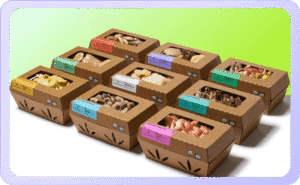
Singapore’s packaging industry is at a defining moment. Once driven by material innovation and cost efficiency, it’s now being reshaped by experience, storytelling, and consumer data.
As shoppers become more digitally fluent and brands battle shorter attention spans, packaging can no longer be static. It must connect, inform, and inspire in ways that traditional design alone cannot. This is where interactive packaging — packaging that engages consumers beyond the surface — is setting a new benchmark for how brands communicate.
For forward-thinking companies, the next decade isn’t just about sustainable packaging. It’s about innovative packaging that is smart, story-driven, and measurable, turning every product into a channel for connection.
2. What Is Interactive Packaging?

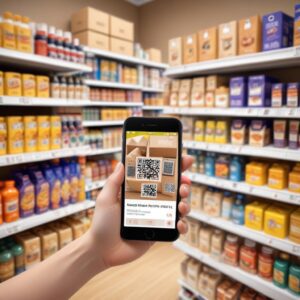
Interactive packaging bridges the gap between standard product packaging and digital engagement, turning a passive physical interaction into an active one. It transforms an ordinary product container into a platform that integrates technological elements to tell stories, share brand experiences, provide functional information (like usage guides or dynamic expiry date tracking), and collect real-time insights — all while maintaining the brand’s visual integrity.
In Singapore, where design sophistication meets technology adoption, interactive packaging has quickly gained traction across food, beauty, retail, and consumer goods sectors.
It enables brands to:
- Capture attention instantly
- Educate consumers at the point of sale
- Build emotional connections through storytelling
- Track engagement to improve marketing strategies
At the heart of this transformation is HOVARLAY — a platform that reimagines packaging as a dynamic brand experience without app downloads or costly reprints.
3. Why Traditional Packaging Is No Longer Enough
Modern consumers engage with hundreds of brands daily, both online and offline. Research shows that people’s attention spans have dropped to just eight seconds — shorter than a goldfish’s.
In this environment, packaging must do more than look good or rely on basic tactile features; it must interact. Static labels and QR codes offer limited engagement, often redirecting users to generic web pages. Consumers crave richer, more personal experiences that reward curiosity and emotional investment.
Furthermore:
- Information overload has made it difficult for static designs to communicate product benefits effectively.
- E-commerce and unboxing moments have elevated packaging as a storytelling medium.
- Sustainability and transparency require packaging to show provenance and values beyond surface aesthetics.
To remain relevant, brands must evolve packaging from an object to an experience.
4. Singapore’s Perfect Environment for Interactive Packaging

Few markets are as ready for interactive packaging as Singapore.
Here’s why:
- High Digital Penetration: With one of the world’s highest smartphone adoption rates, Singaporean consumers are primed for mobile-enabled experiences.
- Government Support for Innovation: Initiatives like Enterprise Singapore’s Design Innovation Programme and DesignSingapore Council’s Experience Design Fund encourage creative R&D and new packaging ideas.
- Sustainability Regulations: The Singapore Packaging Agreement and Resource Sustainability Act are driving smarter, traceable packaging systems.
- Demand for Premium Experiences: As a hub for luxury, lifestyle, and health brands, Singapore values design that delivers both sophistication and engagement.
Interactive packaging fits perfectly within this environment — offering brands a way to combine storytelling, accountability, and technology into one cohesive experience.
5. The Business Value of Interactive Packaging
Interactive packaging is not just a creative idea; it’s a measurable business advantage that can significantly strengthen a brand’s market position.
a. Higher Engagement and Dwell Time When consumers can explore your brand story, product origins, or tutorials directly through packaging, their engagement time doubles or even triples. HOVARLAY’s case studies show that interactive campaigns can achieve up to 2x more visual attention than traditional static designs — keeping brands top of mind even after purchase.
b. Stronger Brand Recall Memorable experiences translate into lasting impressions. By merging storytelling with sensory engagement, interactive packaging significantly improves brand perception and recall — a crucial differentiator in crowded categories like snacks, beverages, and skincare.
c. Real-Time Consumer Insights With platforms like HOVARLAY Insights, every interaction becomes a data point. Brands can track user behaviour, location, and dwell time to refine future campaigns, develop new products, or identify emerging market trends.
d. Sustainable Storytelling Instead of reprinting new labels or materials for every campaign, brands can update digital experiences instantly — reducing waste and cost. Interactive packaging thus aligns with Singapore’s national sustainability goals while keeping content relevant and fresh.
e. Conversion and Loyalty Boost When customers feel personally engaged, conversion rates rise. Interactive packaging acts as a digital salesperson, guiding consumers from curiosity to confidence and purchase. This enhanced engagement leads directly to higher customer satisfaction, strong customer retention, and positive word of mouth.
6. Key Elements That Make Packaging Interactive

Story-Driven Design Every great experience begins with a narrative. Interactive packaging allows brands to extend stories beyond limited label space, often blending digital storytelling with physical multi-sensory packaging elements.
Instant Accessibility No apps, no downloads. Consumers expect frictionless access. Platforms like HOVARLAY enable one-tap engagement through mobile browsers. This focus on ease-of-use is a key part of inclusive packaging, making information available to everyone without barriers.
Scalable Technology This can range from smart labels that provide instant information to a fully immersive AR experience that brings the product to life in the consumer’s environment.
Dynamic Content Management Campaigns evolve over time. Interactive packaging should allow real-time content updates through no-code tools such as HOVARLAY Creator, ensuring relevance without costly redesigns.
Analytics Integration Data-driven insights turn creativity into strategy. Engagement metrics from HOVARLAY Insights help brands measure ROI on every campaign.
Sustainability Compatibility Digital layers complement physical sustainability — extending the lifespan of existing packaging while reducing print and material waste.
7. How Singapore Brands Are Adopting Interactive Packaging
a. Food & Beverage: Ho Nuts A traditional roasted peanut brand, Ho Nuts, revitalised its image by integrating interactive experiences into its nostalgic packaging. Through HOVARLAY, customers could uncover the story of Uncle Ho and his monkey companion, Kacang, a tale that bridges heritage and humour. The result? Extended customer dwell time, increased engagement, and renewed relevance among younger audiences.
b. Health & Wellness: Enzim Toothpaste For Enzim, entering Singapore’s competitive oral care market meant building trust and education quickly. Through interactive packaging powered by HOVARLAY, consumers could learn about enzyme-based toothpaste benefits right at the point of purchase — increasing both awareness and conversion.
c. Lifestyle & Retail: OLOE OLOE, a lifestyle brand focused on holistic well-being, used HOVARLAY’s enterprise solution to share ingredient transparency and sustainability practices. The experience allowed customers to connect emotionally with the brand’s values, creating advocacy and repeat purchase.
These cases show that interactive packaging is not reserved for large global brands. It’s accessible, scalable, and effective for startups and heritage names alike.
8. The Shift from Passive Packaging to Living Media
The essence of interactive packaging is transformation — from passive to active, from printed to living.
Traditional packaging tells. Interactive packaging converses.
This shift reflects a fundamental change in how consumers perceive value. Instead of one-way communication, packaging becomes a dialogue that:
- Encourages discovery
- Personalises information
- Builds emotional resonance
- Enables two-way feedback and social media interaction
- Sparks user-generated content and potential viral moments
HOVARLAY encapsulates this evolution with its three connected pillars:
- HOVARLAY Lens — brings products to life through immersive storytelling layers.
- HOVARLAY Creator — empowers teams to build and refresh experiences without technical skills.
- HOVARLAY Insights — provides the analytics backbone that measures engagement and drives strategy.
Together, these tools transform packaging into a living media platform that grows with the brand.
9. The Sustainability Advantage
In Singapore’s eco-conscious market, sustainable packaging is no longer enough. Brands must now prove sustainability through transparency and traceability. Interactive packaging makes that possible.
By layering digital storytelling over existing materials, brands can communicate sustainability credentials — such as certifications, recyclability guides, sourcing details, or guides on how to best utilize reusable packaging — directly to the consumer.
This eliminates the need for extra paper inserts or reprints, reducing carbon footprint and aligning with circular economy goals. In short, interactive packaging is not only smarter but also greener.
10. The Consumer Perspective: Why It Works
From a consumer’s point of view, interactive packaging satisfies five key desires:
- Curiosity – It invites discovery and exploration.
- Transparency – It answers product questions instantly and honestly.
- Connection – It builds a sense of relationship with the brand.
- Reward – It delivers entertainment, education, incentives, or exclusive content.
- Convenience – It fits seamlessly into mobile-first lifestyles.
By meeting these emotional and functional needs, interactive packaging creates lasting positive impressions that traditional designs can’t achieve.
11. Challenges and How to Overcome Them
As with any innovation, adoption requires strategic planning. Brands exploring interactive packaging in Singapore should consider:
- Integration Costs: Start small, pilot with one product line and scale based on ROI.
- Content Strategy: Treat digital layers as part of your marketing calendar; update regularly.
- User Experience: Keep interactions simple and intuitive, no extra steps or app downloads.
- Measurement: Define clear KPIs (e.g., engagement rate, dwell time, conversion) before launch.
Working with experienced partners such as HOVARLAY ensures smooth implementation, from concept to analytics.
12. Future Outlook: The Experience Economy
The packaging industry is evolving alongside the experience economy — a global shift where consumers value memorable interactions over material possessions.
In this new landscape, the brands that thrive will be those that transform everyday moments into meaningful connections. Packaging, as one of the few physical brand touchpoints left, plays a critical role in that journey.
With Singapore’s strong foundation in design, innovation, and consumer sophistication, the country is poised to lead the next wave of packaging evolution across Asia.
Interactive packaging will no longer be a novelty — it will be the norm.
13. Conclusion: The Future Belongs to the Engaging
The future of Singapore’s packaging industry lies in interactivity, where design meets dialogue, and storytelling meets data. Brands that embrace this shift will not only capture attention but sustain loyalty in an increasingly distracted world.
Through HOVARLAY’s ecosystem of tools, Lens, Creator, and Insights, packaging becomes more than a medium. It becomes a living brand experience that captivates, converts, and continues to engage long after purchase.
The message is clear: Attention is today’s most valuable currency, and interactive packaging is how you earn it.
Call to Action Bring your packaging to life and see how interactive storytelling can transform customer engagement.
Visit hovarlay.com to start building experiences that move your brand forward.