On this page
5 Benefits of AR Packaging That CPG Brands Can Measure
- TL;DR
- 5 Benefits of AR Packaging That CPG Brands Can Measure
- Benefit 1: Higher Engagement Than Static QR Codes
- Benefit 2: First-Party Lead Capture at the Point of Purchase
- Benefit 3: No-App Barrier Means More Scans
- Benefit 4: Real-Time Analytics on Every Interaction
- Benefit 5: Packaging Becomes a Repeat Touchpoint
- FAQ


TL;DR
- AR packaging turns a static label into a live brand channel, giving users something to interact with at the point of purchase.
- Brands that pilot AR on packaging see measurable lifts in dwell time, scan rates, and repeat engagement compared to plain QR codes.
- AR campaigns built on HOVARLAY average a 13.23% conversion rate, meaning more than 1 in 8 users who scan take a trackable action.
- No app is required: WebAR runs in the browser, removing the biggest barrier to user participation.
- The benefits of AR packaging are not theoretical — they are trackable through scan counts, session duration, lead captures, and campaign completions.
5 Benefits of AR Packaging That CPG Brands Can Measure
The benefits of AR packaging go beyond novelty. For CPG brands competing on shelf and online, AR turns packaging into a performance channel with data behind every interaction.
The global augmented reality market was valued at USD 120.21 billion in 2025 and is projected to reach USD 1,050.56 billion by 2033, growing at a CAGR of 29.7% (Grand View Research, 2025). That growth is being driven in part by brands discovering that AR on packaging is not a gimmick — it is a measurable marketing layer that sits between the product and the buyer.
This article breaks down five specific, trackable benefits of AR packaging that CPG brands are using right now to justify budget, prove ROI, and build repeat engagement.
Benefit 1: Higher Engagement Than Static QR Codes
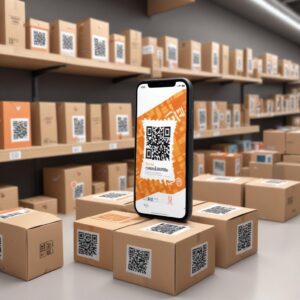
AR packaging produces significantly higher engagement than a plain QR code linking to a webpage. When a user scans an AR-enabled package, they enter an interactive experience — a 3D product demo, a gamified campaign, a recipe overlay — rather than a flat landing page. That difference in experience translates directly into longer session times and higher completion rates.
A standard QR code scan lasts seconds. An AR experience holds attention for 30 to 90 seconds on average, depending on the content. That extended dwell time gives brands more time to communicate product benefits, collect data, and drive a conversion action. The interaction is voluntary and self-directed, which means users who engage are already interested.
HOVARLAY’s Campaigns product is built specifically for this. Brands can deploy spin wheels, scratch cards, and AR treasure hunts directly from packaging — no app required. The HERA Bathroom CNY campaign used this format to drive repeat scans across a gifting season, with users returning to the experience multiple times. That kind of repeat engagement is not possible with a static QR code.
You can explore how this works in practice at /case-studies/.
Benefit 2: First-Party Lead Capture at the Point of Purchase
AR packaging is one of the few channels where brands can capture first-party data at the exact moment a user is holding the product. When a user scans a package and enters an AR experience, a lead capture form — email, phone, or loyalty opt-in — can be embedded directly into the flow.
HOVARLAY’s Campaigns product averages a 13.23% conversion rate across active campaigns (HOVARLAY internal data, 2025). That means more than 1 in 8 users who scan a package and enter the experience complete a lead action. For a brand running a product launch or seasonal promotion, that is a meaningful pipeline of opted-in contacts built from physical packaging.
This matters because third-party cookie deprecation has made first-party data harder to collect through digital advertising. Packaging is a physical touchpoint that brands already own. Adding an AR layer to it turns every unit sold into a potential data collection point, without requiring a separate campaign budget or media buy.
The HOVARLAY Creator platform lets brand managers build these lead capture flows without writing code. Visit /webar-builder/ to see how the builder works.
Benefit 3: No-App Barrier Means More Scans
One of the most practical benefits of AR packaging is that WebAR removes the app download requirement entirely. Users scan a QR code or tap an NFC tag, and the AR experience opens in their phone browser. No install. No account. No friction.
App-based AR has a well-documented drop-off problem: a significant share of users who see an AR prompt on packaging will not download a dedicated app to access it. WebAR eliminates that barrier. The experience is instant, and it works on any modern smartphone browser without configuration.
This is the core technical difference between HOVARLAY and older AR platforms that required proprietary apps. HOVARLAY Lens delivers AR experiences entirely through the browser, which means scan rates are higher because the path from package to experience is shorter. For CPG brands where packaging reaches millions of units, even a small improvement in scan rate translates to a large absolute increase in interactions.
For a detailed comparison of the two approaches, see the article on WebAR vs App-Based AR at /augmented-reality-articles/webar-vs-native-app-ar/.
Benefit 4: Real-Time Analytics on Every Interaction
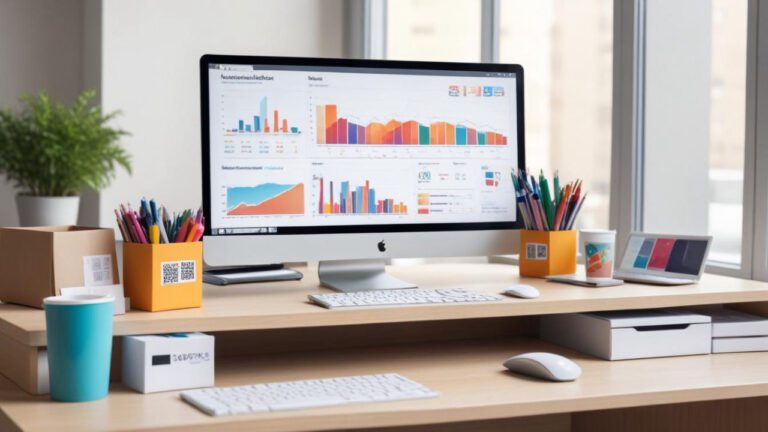
AR packaging gives brands data that traditional packaging cannot. Every scan, every session, every completed action is logged and available in real time. Brands can see which SKUs are driving the most engagement, which campaign formats convert best, and where users drop off in the experience.
This level of visibility is new for physical packaging. Before AR, a brand could track sell-through data and maybe a QR scan count. With AR, the data layer is much richer: session duration, interaction depth, geographic distribution of scans, lead capture rate, and campaign completion rate are all measurable.
HOVARLAY Insights provides this analytics layer as part of the platform. Brand managers can monitor live campaign performance, compare SKUs, and export data for reporting. For brands that need to justify packaging investment to a commercial team, this data is the evidence. It turns a creative decision into a performance metric.
The AR market’s growth into retail and CPG is being driven partly by this accountability (MarketsandMarkets, 2025). Brands want channels they can measure, and AR packaging now delivers that.
Benefit 5: Packaging Becomes a Repeat Touchpoint
A physical package is typically a one-time interaction. A user buys the product, uses it, and the packaging is discarded. AR changes that dynamic. When the experience on the package is compelling — a game, a loyalty reward, a seasonal campaign — users return to it multiple times, and they share it.
Repeat engagement from packaging is rare without AR. With it, brands have documented cases of users scanning the same package multiple times across a campaign period. The Happy Harvest 10.10 campaign on HOVARLAY saw users return to the AR experience across the campaign window, extending the brand interaction well beyond the initial purchase moment.
This repeat engagement has compounding value. Each return visit is another data point, another potential lead capture, and another brand impression. For CPG brands where the purchase cycle is short and competition is high, turning a package into a channel that users come back to is a meaningful competitive advantage.
Brands that want to test this on a single SKU can start with HOVARLAY’s Starter plan, which is priced per SKU and includes the full campaign and analytics stack. See /pricing/ for current rates.
FAQ
What are the main benefits of AR packaging for CPG brands?
The main benefits of AR packaging are higher user engagement, first-party lead capture, no-app access via WebAR, real-time analytics on every scan, and the ability to turn packaging into a repeat touchpoint. Each of these is measurable and trackable through a platform like HOVARLAY.
How do you measure the ROI of AR packaging?
ROI from AR packaging is measured through scan rate, session duration, lead capture rate, campaign completion rate, and repeat engagement. HOVARLAY Insights provides all of these metrics in real time, so brands can calculate cost per lead and cost per engagement directly from the dashboard.
Does AR packaging require users to download an app?
No. WebAR runs entirely in the phone browser. Users scan a QR code on the package and the AR experience opens immediately, with no app download required. This is the key advantage of browser-based AR over older app-dependent platforms.
What conversion rate can brands expect from AR packaging campaigns?
HOVARLAY’s Campaigns product averages a 13.23% conversion rate across active campaigns (HOVARLAY internal data, 2025). This means more than 1 in 8 users who scan and enter the experience complete a lead action such as an email opt-in or loyalty registration.
Which types of CPG products benefit most from AR packaging?
Food and beverage, beauty, and household goods brands see the strongest results because their packaging has high consumer visibility and repeat purchase cycles. Seasonal products and limited-edition SKUs also perform well because the AR experience can be tied to a time-limited campaign that drives urgency.
Start free at https://dashboard.hovarlay.com/signup
Related reading: AR Packaging Benchmarks: What Good Conversion Rates Look Like in 2026 | AR Campaign Analytics