On this page
AR Packaging in Indonesia: How Local Brands Are Winning With Interactive Labels


Why Indonesia Is Ready for AR Packaging
Indonesia’s combination of massive smartphone penetration, mobile-first internet behaviour, and a competitive FMCG sector makes it one of the strongest markets in Asia for AR packaging adoption.
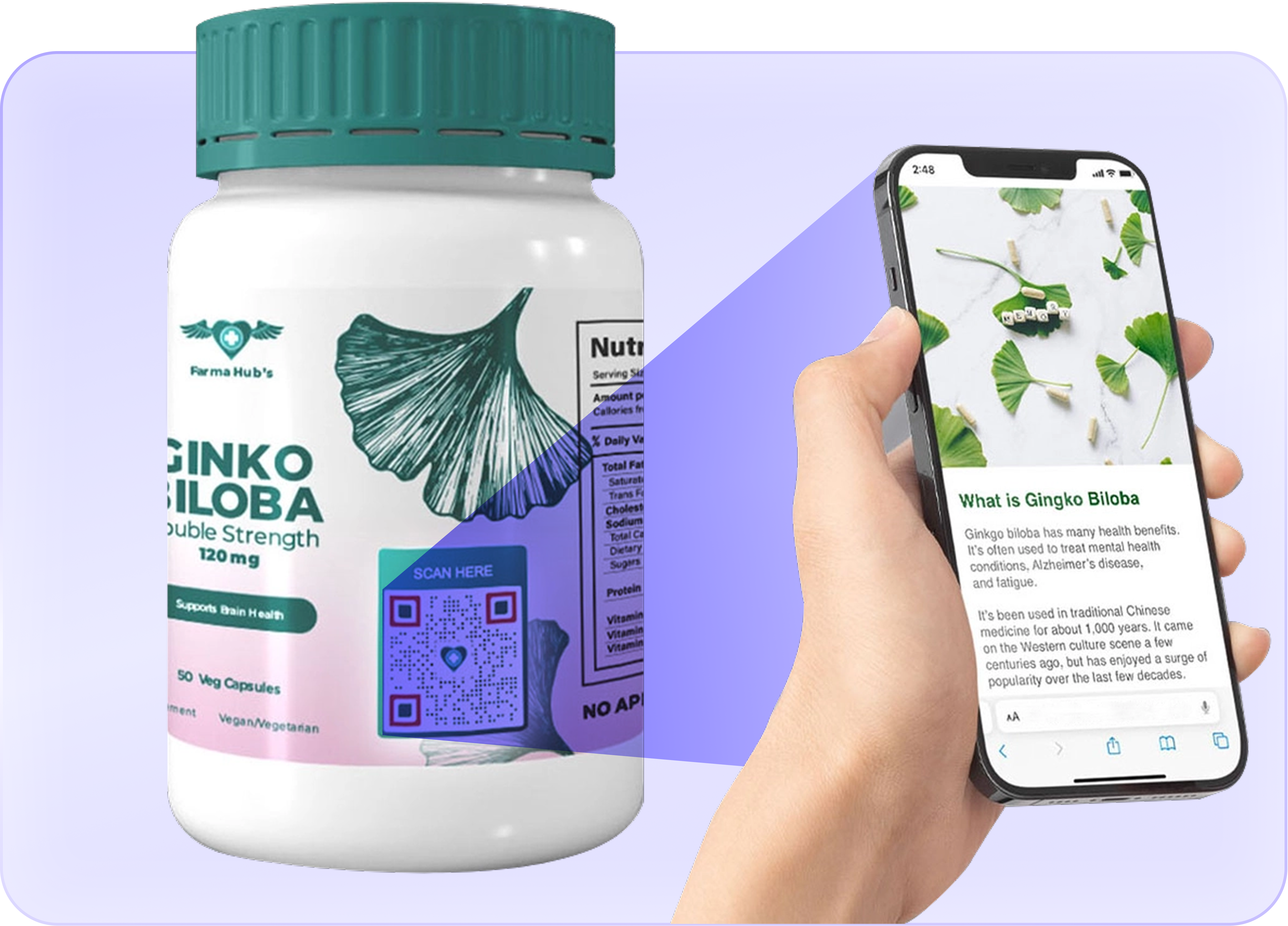
Indonesia has 212 million smartphone users as of 2025 (Statista, 2025). Mobile internet penetration is 79%. Critically, QR code usage is already deeply embedded in daily life — driven by the ubiquity of QRIS (Quick Response Code Indonesian Standard), the national payment QR standard. Indonesian users are not being asked to learn a new behaviour when they scan AR packaging. They are being asked to apply an existing one.
The Indonesian retail market is large, fragmented, and intensely competitive. FMCG brands face the same challenge in Indomaret and Alfamart that they face in supermarkets globally: limited shelf space, a wall of competing SKUs, and users who make purchase decisions in seconds. AR packaging is one of the few tools that can interrupt that decision-making process and create a brand experience at the exact moment of consideration.
For brands that have traditionally competed on price, AR packaging offers a route to competing on experience — a more durable advantage in a market where margins are already compressed.
The Indonesian Market: What Makes It Different
Indonesia’s AR packaging opportunity has characteristics that distinguish it from Singapore or other SEA markets: scale, diversity, and the outsized importance of seasonal campaigns.
Scale is the obvious factor. Indonesia’s population is 278 million (Statistics Indonesia, 2025). Even in categories with single-digit AR adoption, the addressable base is enormous. A brand with 1% scan rate on a mass-market SKU in Java alone is generating millions of interactions annually.
Diversity shapes content strategy. Indonesia is not a monolithic market. Languages, cultural references, and purchasing behaviours differ significantly between Java, Sumatra, Kalimantan, and Eastern Indonesia. AR packaging is one of the few marketing channels where localisation can be applied post-print — updating the digital experience for regional campaigns without changing the physical label.
Seasonal campaigns are disproportionately important. Hari Raya Idul Fitri, Lebaran, Idul Adha, and the 10.10 and 12.12 e-commerce events drive an outsized share of annual FMCG revenue. Brands that deploy gamified AR packaging during these windows — prize reveals, special edition unlocks, festive animations — see engagement rates that flat campaigns cannot match.
HOVARLAY’s Happy Harvest 10.10 campaign demonstrated this directly: a gamified AR campaign tied to Indonesia’s 10.10 shopping event drove direct conversion during the campaign window, with lead capture data feeding into post-campaign CRM workflows.
AR Packaging Use Cases for Indonesian Brands
Indonesian brands across FMCG, F&B, beauty, and property are finding specific, high-value applications for AR packaging that fit their market context.
FMCG and Snack Brands
Indonesia’s snack and instant food category is one of the most competitive in the world. Brands like Indomie, Chitato, and dozens of regional challengers compete for attention in a crowded aisle. AR packaging gives these brands a reason for users to interact with the product beyond the purchase — and a mechanism to build a direct data relationship with users who previously had no path to the brand beyond the retailer.
Prize promotions and loyalty stamp mechanics work particularly well in this category. Users collect stamps across multiple purchases, building repeat-buy behaviour that outlasts any single campaign.
F&B and Beverage
Indonesian beverage brands, from jamu producers to modern RTD tea brands, use AR packaging to communicate product origin, traditional ingredient sourcing, and health benefits — information that matters to users but cannot fit on a label. AR packaging turns a brief product interaction into an extended brand story.
Beauty and Personal Care
Indonesian beauty brands, particularly those targeting the Halal-certified segment, use AR packaging to communicate certification details, ingredient transparency, and usage tutorials. Halal certification status is a purchase driver for a significant share of the Indonesian market, and AR is an efficient way to surface that information at the point of decision.
Property and Events
As demonstrated by HOVARLAY’s Summarecon Golden Expo campaign, AR is not limited to retail packaging. Property developers, event marketers, and experiential brands in Indonesia are using AR triggers on physical collateral — brochures, event passes, product samples — to deliver interactive experiences that physical print cannot carry.
Building AR Packaging for the Indonesian Market
Effective AR packaging for Indonesian users requires localisation beyond language, including visual references, campaign timing, and the mechanics that resonate with local behaviour.
Language is the starting point. Bahasa Indonesia is the primary language for most FMCG campaigns, with regional dialects relevant for hyperlocal activations. HOVARLAY Creator supports Bahasa Indonesia content natively — brands build experiences in whatever language their users speak.
Cultural timing shapes campaign windows. Deploying a gamified AR campaign outside of a major seasonal window in Indonesia underperforms relative to a well-timed Lebaran or Harbolnas activation. The same technical infrastructure delivers different results depending on when it is deployed.
Prize mechanics that align with Indonesian reward expectations — cash prizes via transfer, product vouchers redeemable in convenience stores, telco credit — convert at higher rates than generic discount codes. HOVARLAY’s Campaigns product supports configurable prize types and redemption flows.
For brands new to AR packaging, the fastest path to learning what works is testing on a single SKU. HOVARLAY’s free tier removes the financial barrier to that test. See the builder at hovarlay.com/webar-builder/. Review campaign examples relevant to the Indonesian market at hovarlay.com/case-studies/. Pricing details at hovarlay.com/pricing/.
Getting Started
Indonesia is an early-stage market for AR packaging, which means first-mover advantage is still available. Brands that establish interactive packaging as part of their identity now build user behaviour and data assets that late entrants cannot easily replicate.
Start with one SKU. Build the experience in under 48 hours on HOVARLAY Creator. Run it for one campaign cycle. Measure scan rate, engagement, and lead capture. Scale what works.
Start free at dashboard.hovarlay.com/signup.
FAQ
Q: Is AR packaging relevant for small Indonesian brands, not just multinationals?
A: Yes. HOVARLAY’s per-SKU pricing means a single-SKU brand pays $6-9 per month on the Starter plan. There are no per-scan fees, so a campaign that goes viral costs the same as a quiet one. AR packaging is accessible at any scale.
Q: Do Indonesian users scan QR codes on packaging?
A: Indonesian users are among the most QR-code-literate in Asia, driven by the national QRIS payment standard. Scanning behaviour is established and habitual. AR packaging applies that existing behaviour to a new touchpoint.
Q: Can I run AR packaging campaigns in Bahasa Indonesia?
A: Yes. HOVARLAY Creator supports all languages. Campaigns, prize descriptions, lead capture forms, and experience content can all be built in Bahasa Indonesia, or in any regional language required.
Q: How does AR packaging work in Indonesia’s offline retail channels like Indomaret and Alfamart?
A: AR packaging works in any location where users have a mobile data connection, which covers virtually all urban and peri-urban retail in Indonesia. The experience launches from the user’s phone camera scan — no in-store infrastructure or Wi-Fi required.
Q: What Indonesian seasonal campaigns are best suited to AR packaging?
A: Hari Raya Idul Fitri and Lebaran are the highest-value windows, followed by 10.10 and 12.12 e-commerce events, Harbolnas (National Shopping Day), and Chinese New Year for brands targeting Chinese-Indonesian users. Gamified prize mechanics during these periods consistently drive the highest scan and conversion rates.