On this page
Eco-Friendly Packaging Trends: Shaping a Sustainable Future

Start sharing your brand story with HOVARLAY

The demand for eco-friendly packaging is on the rise as consumers, businesses, and governments seek solutions to combat environmental challenges. With sustainability at the forefront of global discussions, packaging trends are evolving rapidly, integrating innovative materials and technologies to minimise environmental impact. Here, we explore the latest eco-friendly packaging trends that are transforming industries and promoting a greener future.
Why Eco-Friendly Packaging Matters
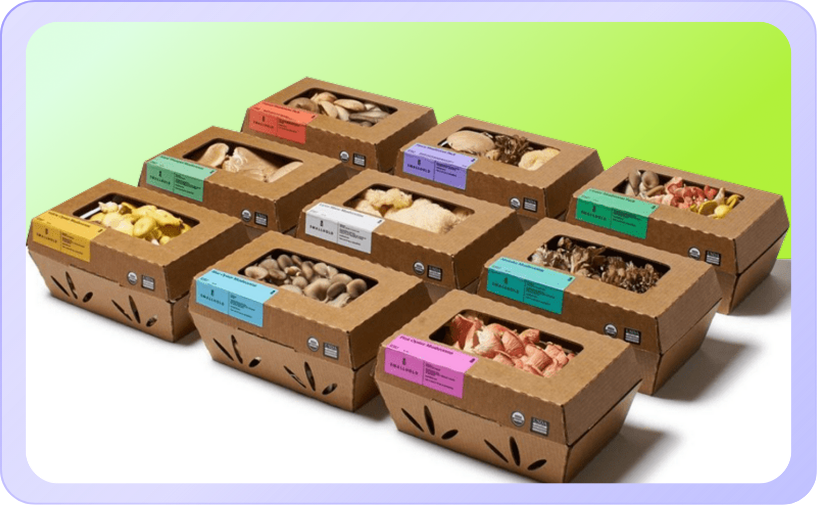
Eco-friendly packaging focuses on reducing waste, conserving resources, and lowering carbon footprints. Its importance lies in addressing pressing environmental issues such as plastic pollution, resource depletion, and climate change. Consumers increasingly prefer sustainable options, making eco-friendly packaging a vital aspect of modern business strategies.
Key Eco-Friendly Packaging Trends for 2025
- Minimalist Packaging
Minimalist designs prioritise simplicity and efficiency. By using fewer materials and reducing excess packaging, brands save resources and appeal to eco-conscious consumers who value sustainable choices. - Plant-Based Materials
Materials derived from plants, such as cornstarch, bamboo, and sugarcane, are replacing traditional plastics. These biodegradable alternatives offer a sustainable solution for sectors like food and personal care. - Reusable Packaging
Reusable packaging is gaining traction, particularly in industries like e-commerce and F&B. From glass jars to refillable pouches, these solutions encourage consumers to minimise single-use waste. - Compostable Packaging
Compostable packaging, made from organic materials like mushroom fibres or recycled paper, decomposes naturally, enriching soil without leaving harmful residues. - Smart Packaging
Interactive technologies, such as QR codes and augmented reality (AR), are reducing the need for printed materials. Digital solutions offer product information, usage instructions, and brand storytelling through smartphones, cutting down on paper waste. - Edible Packaging
Edible packaging, crafted from materials like seaweed or rice, is an innovative trend making waves in the F&B sector. It provides a waste-free alternative while offering a unique consumer experience. - Biodegradable Plastics
Biodegradable plastics break down more quickly than traditional plastics, reducing long-term environmental impact. These materials are widely used in packaging for retail and delivery services. - Water-Soluble Packaging
Water-soluble packaging is ideal for single-use items like detergent pods. It dissolves in water, leaving no residue and reducing plastic waste. - Transparent Sustainability
Brands are increasingly transparent about their packaging practices, showcasing sustainability efforts through labelling and marketing to build consumer trust. - Recyclable Innovations
Advanced recycling techniques are improving the usability of materials like aluminium and glass, making them more viable as eco-friendly packaging options. - Lightweight Packaging
Lightweight materials reduce shipping costs and carbon emissions, making them a practical and sustainable choice for businesses. - Circular Packaging
The circular economy approach promotes using recycled materials to create new packaging, reducing resource dependency and waste. - Paper-Based Solutions
Paper and cardboard remain popular choices for sustainable packaging. Innovations in water-resistant coatings and structural design make them suitable for various applications. - Customisable Packaging
Brands are exploring customisable packaging solutions that balance functionality and sustainability, offering eco-friendly designs tailored to consumer needs. - Digital Labelling
Replacing traditional printed labels, digital labelling integrates directly with smart packaging, offering a seamless and sustainable alternative.
Benefits of Adopting Eco-Friendly Packaging Trends
- For Businesses
- Improved Brand Reputation: Sustainable practices build a positive brand image.
- Consumer Loyalty: Eco-conscious consumers prefer brands prioritising sustainability.
- Regulatory Compliance: Staying ahead of environmental regulations avoids penalties and boosts market credibility.
- For Consumers
- Healthier Choices: Eco-friendly materials are free from harmful chemicals.
- Convenience: Reusable and recyclable options make sustainable living easier.
- For the Environment
- Reduced Pollution: Sustainable packaging minimises plastic waste.
- Lower Carbon Footprint: Lightweight and renewable materials decrease emissions.
- Resource Conservation: Recycling and renewable sources preserve natural resources.
Challenges in Eco-Friendly Packaging
While the trends are promising, challenges persist:
- Cost: Sustainable materials can be more expensive than traditional options.
- Infrastructure: Limited recycling and composting facilities may hinder adoption.
- Consumer Education: Raising awareness about proper disposal methods is essential for effectiveness.
How HOVARLAY Can Enhance Eco-Friendly Packaging
HOVARLAY integrates augmented reality (AR) technology into packaging, offering a unique solution that aligns with sustainability goals. Here’s how:
- Interactive Storytelling: Share sustainability practices, product origins, and disposal instructions via immersive AR experiences.
- Paper-Free Solutions: Replace printed materials with digital content accessible through a smartphone.
- Enhanced Engagement: Build brand loyalty by combining sustainability with cutting-edge technology.
HOVARLAY bridges the gap between innovation and environmental responsibility, enabling businesses to lead in sustainable practices while delivering exceptional consumer experiences.
Conclusion
Eco-friendly packaging trends are reshaping industries, addressing environmental challenges, and meeting evolving consumer expectations. By embracing sustainable materials and technologies, businesses in Singapore and beyond can position themselves as leaders in the green movement.
HOVARLAY’s AR solutions amplify the impact of eco-friendly packaging, creating immersive experiences that resonate with today’s environmentally conscious consumers. Revolutionise your packaging and sustainability efforts with HOVARLAY.