On this page
Sustainable Tech-Driven Packaging: Innovation Meets Eco-Conscious Design
- Why Sustainability Matters More Than Ever
- How Technology Supports Sustainable Packaging
- 1. Reducing Material Waste Through Smart Design
- 2. Digital Twins and Virtual Labelling
- 3. Smart Refill and Reuse Systems
- 4. Traceability and Lifecycle Tracking
- The Role of Augmented Reality in Eco Storytelling
- Balancing Cost and Impact
- The Future: Smarter, Cleaner, Greener
- Conclusion


The global packaging industry is at a turning point. As consumer demand for eco-friendly products grows, brands are under pressure to reduce waste and rethink their approach to materials and design. Enter packaging technology a powerful force that is not only making packaging smarter, but also more sustainable.
Gone are the days when innovation and environmental responsibility were seen as opposing goals. Today, tech-driven packaging solutions are bridging the gap, enabling brands to delight customers while reducing their environmental footprint.
Why Sustainability Matters More Than Ever
The environmental impact of packaging is no secret. Single-use plastics, excessive materials, and inefficient production contribute significantly to global pollution. Consumers are increasingly aware of this and are holding brands accountable.
According to recent surveys, over 70% of consumers say they’re more likely to purchase from companies with sustainable packaging. But sustainability is no longer just about recyclable materials it’s about creating systems that reduce waste, extend product life, and enable smarter consumption.
This is where packaging technology comes into play.
How Technology Supports Sustainable Packaging
Packaging technology enhances sustainability in a number of ways some visible to consumers, others working behind the scenes in the supply chain.
1. Reducing Material Waste Through Smart Design
Technologies like AI and 3D modelling are helping brands optimise packaging structures before they go into production. This allows for:
Lighter, thinner materials that still protect the product.
Better product-to-packaging ratios, reducing bulk.
Minimalist design with maximum functionality.
By using data to refine designs, companies can drastically cut unnecessary material usage saving both money and resources.
2. Digital Twins and Virtual Labelling
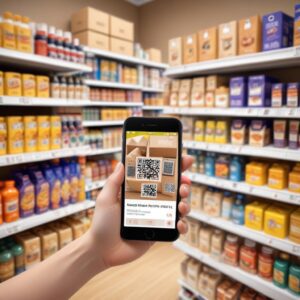
One of the most exciting applications of packaging technology is digital labelling. Instead of crowding packaging with information, brands can use QR codes or NFC tags to redirect consumers to digital content ingredient lists, sustainability certifications, usage tips, and more.
This reduces printing needs and allows for smaller, simpler physical packaging. It also future-proofs products: information can be updated digitally without changing the packaging itself.
3. Smart Refill and Reuse Systems
Technology enables smarter circular systems. Brands can embed digital triggers or QR codes into their packaging to facilitate:
Refill subscriptions.
Return-to-reuse schemes.
Loyalty rewards for sustainable behaviours.
For instance, a user could scan their empty container, schedule a refill, and drop the container off at a return point. All data is tracked and incentivised in real-time.
4. Traceability and Lifecycle Tracking
Sustainable packaging also means being transparent about where materials come from and where they end up. With blockchain and RFID sensors, brands can now track:
The full lifecycle of packaging.
Its origin, carbon footprint, and recyclability.
Whether it’s returned, reused, or recycled.
This visibility builds trust and gives companies the data needed to improve sustainability year over year.
The Role of Augmented Reality in Eco Storytelling
While AR might seem like a luxury, it can play a critical role in sustainability communication. Through tools like HOVARLAY, brands can overlay digital content on packaging that:
Shows the product’s supply chain or eco-certifications.
Explains recycling instructions visually.
Shares the brand’s environmental initiatives in a compelling way.
This helps educate consumers without adding physical clutter and can make eco-consciousness part of a delightful brand experience.
Balancing Cost and Impact
One challenge of sustainable packaging technology is cost. Some smart materials or systems come with higher upfront investment. However, when measured over time through reduced material use, lower shipping weight, customer retention, and better data insights the return is often significant.
Plus, in a world where consumers are increasingly choosing brands based on values, sustainability isn’t just a cost it’s a competitive advantage.
The Future: Smarter, Cleaner, Greener
As technology continues to evolve, we’re likely to see:
Biodegradable smart materials that carry digital data.
Energy-harvesting sensors that power themselves.
AI-generated design that balances protection, performance, and eco-value automatically.
The goal is clear: packaging that is intelligent, interactive, and environmentally responsible from production to disposal.
Conclusion
Packaging technology is no longer just about making packaging functional or eye-catching. It’s now a crucial tool in building a more sustainable future. By merging innovation with eco-conscious design, brands can deliver packaging that protects both the product and the planet.
And with platforms like HOVARLAY, creating sustainable, tech-enabled experiences is more accessible than ever. In the race toward a greener future, smart packaging isn’t a luxury it’s a necessity.