On this page
How Smart Packaging & AR Are Winning the Retail Game
- The Problem with c in a Digital Age
- What Is AR in Packaging?
- AR Packaging Can Deliver:
- The Benefits of AR in Retail Environments
- 1. Captures Attention Instantly
- 2. Informs Purchase Decisions
- 3. Encourages On-the-Spot Interaction
- 4. Creates Shareable Experiences
- How Brands Are Using AR in Packaging
- ● Cosmetics
- ● Food & Beverage
- ● Toys & Collectibles
- ● Home & DIY
- Why This Matters Now
- The ROI of AR Packaging
- Conclusion


As consumer expectations shift and online experiences grow more immersive, traditional retail is being forced to evolve. One of the most exciting developments in this space is the integration of augmented reality (AR) into packaging bringing products to life and transforming the point of sale into a point of experience.
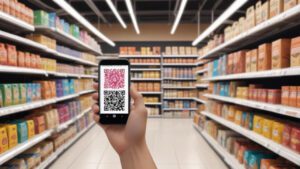
Through the power of packaging technology, AR is enabling brands to seamlessly bridge the digital and physical worlds. No longer limited to screens or apps, digital content is now embedded directly into packaging inviting consumers to interact, learn, and connect in real time, right from the shelf.
The Problem with c in a Digital Age
Traditional packaging has limits. Certainly, it can communicate brand identity and essential product details, but there’s only so much space to work with and only so much attention it can command.
Meanwhile, consumers are used to fast, rich, personalized experiences online. Consequently, static packaging simply can’t compete with that level of engagement, especially when faced with dozens of similar products in-store.
That’s where AR-powered packaging technology comes in.
What Is AR in Packaging?
Augmented reality in packaging refers to the use of digital overlays 3D content, video, animations, or interactive elements that appear when a consumer scans a product with their smartphone or tablet.
Rather than requiring bulky apps, modern AR solutions like HOVARLAY allow for browser-based experiences, making them frictionless and scalable.
AR Packaging Can Deliver:
Product demonstrations
Interactive tutorials or user guides
Gamified brand experiences
Behind-the-scenes content
Personalised offers or rewards
The Benefits of AR in Retail Environments
1. Captures Attention Instantly
In-store competition is fierce. AR adds a layer of surprise and novelty that grabs attention in ways static packaging cannot. A moving, 3D visual emerging from a product turns a quick glance into a lasting impression.
2. Informs Purchase Decisions
Consumers often hesitate when they don’t understand a product’s features, benefits, or ingredients. With AR, packaging can visually demonstrate how a product works, show usage tips, or compare options boosting confidence and conversions.
3. Encourages On-the-Spot Interaction
Unlike traditional advertising, AR packaging invites immediate interaction. A customer doesn’t need to wait until they’re home they can scan the package in-store and instantly access branded content, encouraging impulse buys.
4. Creates Shareable Experiences
AR experiences are inherently social. Users often record or screenshot their interactions and share them online, giving brands free exposure and social proof.
How Brands Are Using AR in Packaging
Here are a few creative examples of AR-enabled packaging in retail:
● Cosmetics
A beauty brand uses AR to let shoppers scan a foundation box and instantly see how different shades would look on their skin tone using virtual try-on technology.
● Food & Beverage
A tea brand integrates AR storytelling into its boxes, where customers can learn about the origins of the leaves, watch a brewing guide, or unlock meditative music inspired by the product.
● Toys & Collectibles
Packaging becomes part of the play. A toy brand embeds AR games or character animations accessible through the box keeping kids entertained while adding digital value.
● Home & DIY
An AR experience might walk a customer through how to install a new fixture or show “before and after” visuals of using a cleaning product—all before purchase.
With platforms like HOVARLAY, creating these AR experiences is faster and more cost-effective than ever.
Why This Matters Now
As physical retail rebounds post-pandemic, brands are investing in technology that enhances the real-world shopping experience. Consumers are no longer satisfied with just seeing a product they want to experience it.
AR packaging offers that without the need for additional store infrastructure or staff training. It’s scalable, mobile-first, and aligned with how modern consumers behave.
And because each interaction is measurable time spent, buttons clicked, locations scanned AR offers the kind of analytics that traditional packaging can’t provide. It transforms a product’s outer layer into a smart, responsive marketing tool.
The ROI of AR Packaging
While AR experiences require creative development and tech integration, the return on investment can be significant:
Higher engagement rates in-store
Improved conversion by reducing hesitation
Enhanced brand recall and loyalty
Content personalisation at scale
Social sharing and word of mouth
By combining entertainment, education, and personal relevance, AR packaging drives deeper connections that extend far beyond the initial sale.
Conclusion
AR-powered packaging technology is redefining what it means to shop in a physical space. It turns ordinary boxes, bottles, and containers into portals of storytelling, education, and interaction.
As tools like HOVARLAY make AR more accessible to brands of all sizes, the future of retail looks increasingly interactive and packaging will be at the heart of it.
In the age of experience, it’s no longer enough to sell a product. You need to show it, tell its story, and invite your audience in. AR makes that possible starting right on the shelf.