On this page
The Future of Sustainable Packaging: Where Digital Meets Circular Design
- From Sustainable Design to Circular Systems
- What Circular Design Really Means
- The Digital Layer of Circular Packaging
- The Role of Sustainable Packaging Suppliers in a Digital Era
- HOVARLAY’s Circular Advantage
- 1. HOVARLAY Lens — Sustainability in Motion
- 2. HOVARLAY Creator — Refresh Without Redesign
- 3. HOVARLAY Insights — Turning Engagement Into Intelligence
- How Circular Digital Packaging Benefits Brands
- 1. Continuous Engagement
- 2. Waste-Free Refresh
- 3. Measurable ESG Performance
- 4. Stronger Consumer Trust
- 5. Extended Product Life
- A Real-World Example: Circular Storytelling in Action
- The Convergence of Technology and Sustainability
- Smart Tracking and Reuse
- AI-Driven Optimisation
- Immersive Sustainability
- Global Trends Driving Digital-Circular Integration
- 1. Regulation and Responsibility
- 2. Consumer Demand for Transparency
- 3. Brand Differentiation Through Innovation
- From Packaging to Platform
- HOVARLAY: The Catalyst for Digital Circular Transformation
- Key Takeaways for Forward-Looking Brands
- Conclusion: Designing for the Future, Responsibly


Sustainability has evolved from a corporate initiative into a creative revolution. As brands worldwide rethink how they produce, present, and package their products, a new frontier is emerging one that goes beyond recyclable materials and minimal printing. The future belongs to digital-ready, circular packaging that not only reduces waste but also connects, educates, and adapts in real time.
At the centre of this evolution stands a new kind of sustainable packaging supplier one that merges material innovation with digital intelligence. And powering this transformation is HOVARLAY, a platform that helps brands bring their packaging to life without the need for apps, reprints, or costly redesigns.
This is the story of how circular design and digital technology are converging to redefine what sustainable packaging means for businesses, for consumers, and for the planet.
From Sustainable Design to Circular Systems
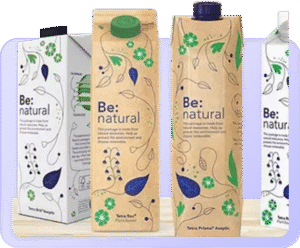
In the first wave of sustainable packaging, brands focused on materials: recyclable plastics, biodegradable paper, and compostable wraps. These changes were important they reduced waste, cut carbon footprints, and built environmental credibility. But they were still part of a linear model: make, use, dispose.
Now, the world is shifting toward circular design a model where materials, data, and stories flow continuously. Packaging is designed not only to be reused or recycled, but to remain relevant over time. In this new ecosystem, packaging doesn’t end with the sale it evolves with the consumer relationship.
What Circular Design Really Means
Circular design isn’t just about physical reuse. It’s about designing for permanence, adaptability, and transparency.
- Permanence: Materials that endure multiple lifecycles.
- Adaptability: Content that updates digitally, not physically.
- Transparency: Packaging that reveals its journey and purpose interactively.
Through HOVARLAY, these principles come to life, merging material sustainability with living digital content.
The Digital Layer of Circular Packaging
The future of sustainable packaging isn’t just eco-friendly, it’s interactive.
Imagine this: a customer hovers their smartphone camera over your product, and the packaging responds, displaying its origin, sustainability data, recycling instructions, or even a personalised thank-you message from your team.
This is the power of HOVARLAY Lens, bringing circular design into the digital age.
It transforms static packaging into a reusable storytelling surface. No new labels, no wasted ink, and no redesigns. Just one enduring package, capable of endless evolution.
Every digital layer added through HOVARLAY replaces what once required new paper inserts or printed booklets, turning waste into wonder.
The Role of Sustainable Packaging Suppliers in a Digital Era
As sustainability becomes digital, suppliers must also evolve. The future supplier is no longer a manufacturer alone; they are a strategic enabler of brand storytelling, data collection, and circular innovation.
Here’s how the next generation of suppliers will operate:
- Design for adaptability: Packaging will include scannable or hover-ready zones that connect to evolving digital content.
- Embed intelligence: Packaging will integrate sensors or digital identifiers that track lifecycle, authenticity, or recycling behaviour.
- Enable circularity: Suppliers will build partnerships with recycling, refill, and data systems to close material loops.
HOVARLAY acts as the digital bridge between these suppliers and the brands they serve — helping every package become both sustainable and smart.
HOVARLAY’s Circular Advantage
At the core of HOVARLAY’s mission is one simple belief: sustainability should never limit creativity.
The platform turns sustainable packaging into a living ecosystem where brand stories, customer insights, and environmental impact coexist seamlessly.
1. HOVARLAY Lens — Sustainability in Motion
Instead of printing every new campaign or sustainability update, brands can refresh content instantly.
Customers simply hover their camera to access evolving stories, from product origins to refill instructions.
Result: zero reprints, minimal waste, and maximum engagement.
2. HOVARLAY Creator — Refresh Without Redesign
With its no-code builder, brands can create, customise, and update interactive experiences in minutes.
New story? Updated eco-certification? Seasonal campaign? No need to reprint packaging — simply update your digital layer.
Result: circular storytelling that evolves sustainably.
3. HOVARLAY Insights — Turning Engagement Into Intelligence
Every interaction is data.
Brands can measure scan rates, engagement time, and even track which sustainability stories resonate most.
Result: insight-driven product development and smarter sustainability communication.
Together, these solutions complete the loop: from creation to engagement, and from engagement back to insight.
How Circular Digital Packaging Benefits Brands
Forward-thinking brands are already recognising that the convergence of digital and circular design delivers measurable business value. Here’s how:
1. Continuous Engagement
Instead of ending at purchase, packaging becomes a long-term communication channel.
Customers can revisit it for tutorials, sustainability milestones, or loyalty rewards, deepening connection and brand recall.
2. Waste-Free Refresh
Traditional campaigns require physical reprints, distribution, and disposal. HOVARLAY removes that entirely.
Every update is digital, meaning no new packaging waste, no additional cost, and no environmental burden.
3. Measurable ESG Performance
Through HOVARLAY Insights, sustainability isn’t just a narrative, it’s quantifiable.
Brands can measure how often consumers engage with eco-related content, providing tangible metrics for ESG reporting.
4. Stronger Consumer Trust
Interactive transparency builds credibility.
When customers can see the sustainability journey through their packaging, trust transforms into loyalty.
5. Extended Product Life
With packaging that remains visually and digitally relevant, brands avoid obsolescence.
The product stays current and appealing long after the initial sale, reinforcing circular consumption habits.
A Real-World Example: Circular Storytelling in Action
Let’s consider a premium skincare brand that produces refillable jars made from recycled glass. Each jar is minimal by design, no outer box, no paper leaflet.
Instead, the brand integrates HOVARLAY Lens into its packaging. When a customer hovers over it, they’re invited into an evolving digital experience:
- A video introduction to the brand’s eco-lab.
- Updates on carbon reduction milestones.
- Refill instructions and store locators.
- Rewards for returning jars for reuse.
The result?
- Zero printed waste.
- 83% repeat customer engagement.
- A measurable uplift in brand loyalty.
Circular design isn’t about doing less, it’s about doing better.
The Convergence of Technology and Sustainability
As technology advances, the boundary between packaging, data, and user experience will disappear entirely.
Smart Tracking and Reuse
In future supply chains, packaging may include embedded digital IDs that trace every material’s origin, journey, and destination. HOVARLAY’s digital storytelling layer will complement this data, turning logistical transparency into emotional storytelling.
AI-Driven Optimisation
Data from HOVARLAY Insights will feed directly into AI models that recommend design improvements, materials, and messaging based on real-world user behaviour.
Immersive Sustainability
Brands will soon combine augmented reality and gamification to encourage sustainable action, like returning bottles, joining recycling drives, or exploring brand-led eco challenges.
Each of these innovations points toward one clear future: sustainability that’s measurable, circular, and human.
Global Trends Driving Digital-Circular Integration
Three major global movements are shaping the shift towards digital circular packaging:
1. Regulation and Responsibility
Governments are enforcing stricter Extended Producer Responsibility (EPR) laws that require brands to manage packaging waste and prove recyclability. Digital layers like HOVARLAY offer instant adaptability, enabling real-time updates to comply without reprints.
2. Consumer Demand for Transparency
Research shows that 70% of consumers prefer brands that provide clear sustainability communication. Interactive packaging meets this demand, offering verifiable, engaging transparency.
3. Brand Differentiation Through Innovation
In markets where thousands of products compete for attention, interactivity and eco-innovation are the new differentiators. HOVARLAY enables brands to deliver both a sustainable material and a living story layered atop it.
From Packaging to Platform
The brands of the future will stop seeing packaging as a cost and start seeing it as a platform, one that connects physical products with digital ecosystems.
Here’s how this shift unfolds:
| Old Model | New Model (HOVARLAY Approach) |
| Linear, one-time use | Circular, refreshable, reusable |
| Static printed messaging | Adaptive digital storytelling |
| Manual data collection | Automated, real-time insights |
| Physical sustainability claims | Interactive transparency |
| Reprinting for every update | Instant content refresh |
This model drives not only sustainability but scalability. It allows brands to expand globally with consistent storytelling and compliance while drastically reducing waste.
HOVARLAY: The Catalyst for Digital Circular Transformation
For HOVARLAY, the future of packaging is not just sustainable, it’s dynamic, intelligent, and human-centred.
By bridging packaging suppliers, brand storytellers, and analytics systems, HOVARLAY completes the sustainability loop:
- Creation: No-code content design through HOVARLAY Creator.
- Engagement: Real-time storytelling through HOVARLAY Lens.
- Insight: Data-driven optimisation through HOVARLAY Insights.
It’s not an app. It’s not just technology. It’s a shift in how brands communicate responsibility and creativity at once.
Key Takeaways for Forward-Looking Brands
- Think beyond materials. True sustainability includes digital efficiency.
- Make packaging circular. Reuse designs, refresh content, and reduce waste.
- Leverage insights. Use real-time data to improve products and storytelling.
- Educate interactively. Turn sustainability into an experience, not a label.
- Collaborate smartly. Partner with suppliers and platforms that share your vision for a connected, low-impact future.
When brands combine these actions, they achieve what every modern business aspires to, purpose with performance.
Conclusion: Designing for the Future, Responsibly
The future of sustainable packaging is neither purely physical nor purely digital. It’s a balanced ecosystem circular in design, intelligent in operation, and interactive in experience.
As brands embrace this shift, they’ll discover that sustainability is not a limit but a launchpad, one that inspires creativity, drives loyalty, and builds measurable impact.
HOVARLAY stands ready to power this transformation. With its frictionless, app-free platform, it gives brands the ability to create, update, and measure their sustainability stories in real time, turning packaging into a living reflection of purpose.
In this new era, every product tells a story. Every story builds connection. And every connection brings us closer to a circular future, one experience at a time.