On this page
Augmented Reality Meaning | Here’s 9 Points About Augmented Reality
- 1. What is Augmented Reality Meaning?
- 2. Augmented Reality Meaning in Consumer Engagement
- 3. The Impact of Augmented Reality on Marketing
- 4. Augmented Reality and Its Role in Product Packaging
- 5. Augmented Reality Meaning in Education
- 6. The Integration of Augmented Reality in Retail
- 7. Augmented Reality Meaning in the Entertainment Industry
- 8. Augmented Reality’s Role in Social Media
- 9. Future Trends in Augmented Reality Meaning
- Conclusion


In recent years, the concept of augmented reality has garnered significant attention across various industries. As businesses strive to find innovative ways to engage customers, augmented reality offers a unique and powerful solution. But what exactly is augmented reality? Understanding the augmented reality meaning is essential for businesses and marketers looking to integrate this transformative technology into their strategies. Here, we explore nine key points that define the augmented reality meaning and how it is shaping the future of consumer engagement, with insights from experts and industry leaders.
1. What is Augmented Reality Meaning?
At its core, the augmented reality meaning refers to the technology that overlays digital content onto the real world. Unlike virtual reality, which immerses users in a completely digital environment, augmented reality enhances the physical world by adding virtual elements such as images, sounds, or videos. These enhancements can be experienced using smartphones, AR glasses, or even through interactive packaging. This integration of digital and physical elements creates an immersive experience for the user.
2. Augmented Reality Meaning in Consumer Engagement
One of the most significant implications of augmented reality meaning is its ability to transform how businesses engage with consumers. By merging the real world with digital content, augmented reality can create memorable and interactive experiences. Brands can use AR to enhance their products, offer virtual experiences, or provide customers with valuable content, all directly from a product’s packaging or marketing material. This unique form of engagement has revolutionized the way brands connect with their audiences.
3. The Impact of Augmented Reality on Marketing
The augmented reality meaning is especially impactful in the marketing industry. As consumers demand more interactive and personalized experiences, AR allows brands to meet these expectations. Companies can create AR-enabled advertisements, promotional materials, or product packaging that bring their campaigns to life. By providing unique experiences through AR, businesses can drive higher engagement, increase brand awareness, and boost customer loyalty. According to experts in the field, this type of technology is poised to play an increasingly significant role in the future of marketing.
4. Augmented Reality and Its Role in Product Packaging
When it comes to product packaging, augmented reality meaning takes on a whole new level of importance. As traditional packaging is being replaced with digital experiences, brands are embracing AR to offer more than just product information. Through AR-enabled packaging, customers can scan product labels and instantly access interactive features like 3D animations, brand stories, and even special promotions. This adds value to the consumer’s experience and enhances their relationship with the product.
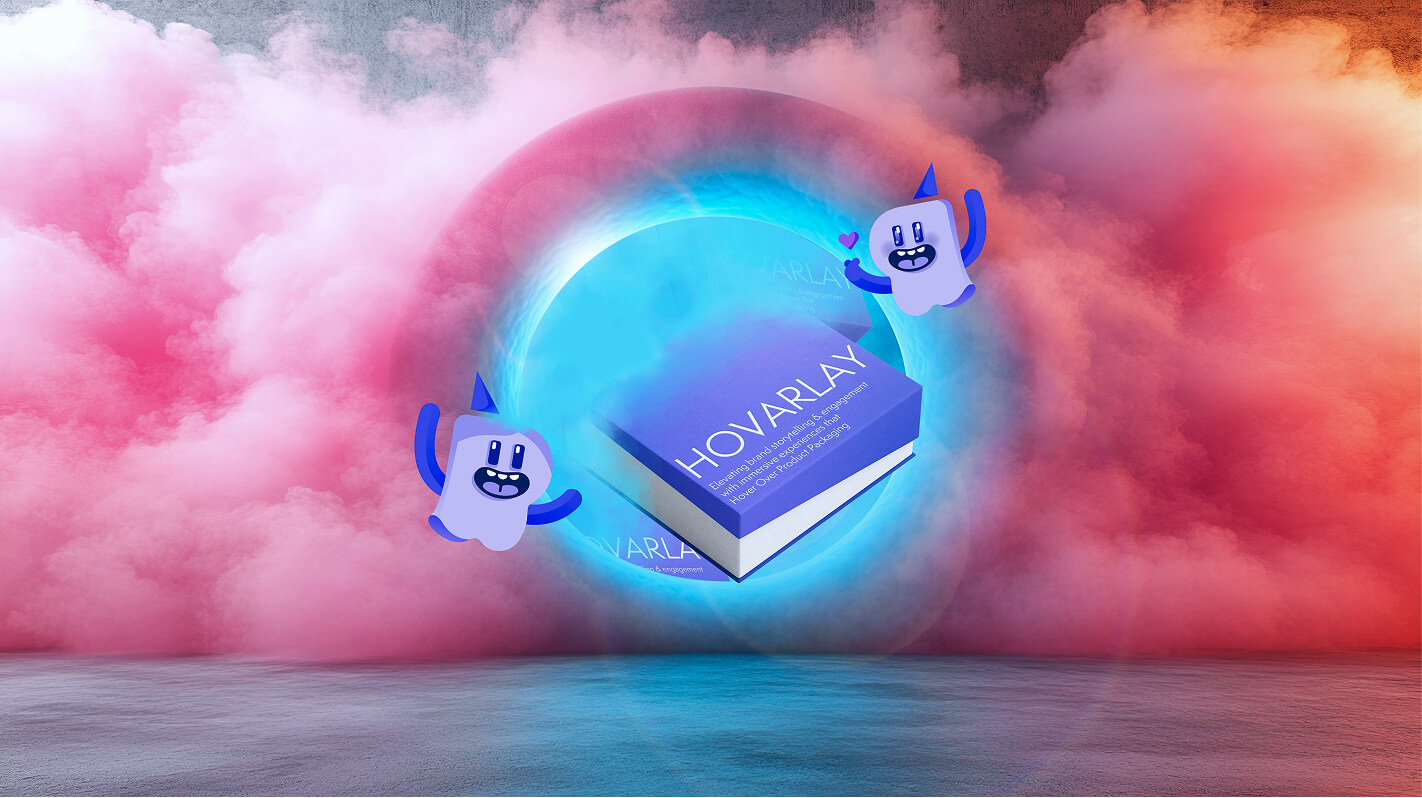
HOVARLAY, a leader in AR-powered solutions, is helping brands integrate augmented reality into their packaging, enabling them to stand out in a crowded marketplace. By offering this cutting-edge technology, brands can provide more engaging content while also gaining valuable insights into customer behavior.
5. Augmented Reality Meaning in Education
The augmented reality meaning extends beyond just consumer products. In education, AR has been a game-changer, allowing for interactive learning experiences. By overlaying virtual lessons, simulations, or 3D models onto the real world, AR helps students visualize complex concepts in a more engaging and effective way. This technology has proven to enhance learning in subjects such as science, history, and even art, providing a hands-on experience that textbooks alone cannot offer.
6. The Integration of Augmented Reality in Retail
Augmented reality meaning is also transforming the retail industry. With AR, retailers can offer virtual try-ons, interactive product displays, and even virtual store tours. This immersive shopping experience allows customers to try out products from the comfort of their homes or in-store, increasing convenience and reducing the barriers to purchase. For instance, in fashion retail, AR enables customers to see how clothes or accessories would look on them without physically trying them on, making the shopping process more efficient.
7. Augmented Reality Meaning in the Entertainment Industry
The entertainment industry has long been an early adopter of augmented reality technology. The augmented reality meaning has been particularly impactful in gaming, where AR has enhanced user interaction by merging digital gameplay with real-world environments. Games like Pokémon GO and other AR-based experiences have demonstrated the potential of AR to create interactive and entertaining experiences that engage users in exciting new ways. This trend is likely to expand as more immersive and engaging AR experiences are developed.
8. Augmented Reality’s Role in Social Media
Another area where augmented reality meaning is making a significant impact is in social media. Platforms like Instagram and Snapchat have integrated AR filters, allowing users to overlay fun and interactive digital content onto their photos and videos. This use of AR has become a significant trend in social media marketing, with brands increasingly using AR filters to promote their products, engage followers, and boost brand visibility. By using AR in social media campaigns, companies can create viral content that resonates with their audience and encourages interaction.
9. Future Trends in Augmented Reality Meaning
As augmented reality technology continues to evolve, its meaning will expand and evolve with it. Experts predict that in the near future, AR will become more personalized, data-driven, and integrated into everyday life. For example, advancements in artificial intelligence may allow AR to tailor experiences based on individual preferences, creating highly customized and engaging interactions for each user. Additionally, the growing focus on sustainability could lead to more eco-friendly AR solutions, reducing the need for printed materials and physical advertisements.
Conclusion
In conclusion, understanding augmented reality meaning is key for businesses and consumers looking to explore the potential of this groundbreaking technology. As the digital and physical worlds continue to blend through augmented reality, its applications will only continue to grow and transform industries. Whether in marketing, retail, education, or entertainment, AR is already changing the way we interact with the world around us.
HOVARLAY’s insights into augmented reality applications demonstrate the vast potential of this technology in product packaging and brand engagement. By understanding the augmented reality meaning and embracing its capabilities, businesses can position themselves to stay ahead of the curve and provide consumers with unforgettable experiences.