On this page
What Is Smart Packaging? The Complete Guide for 2026
- What Is Smart Packaging?
- How Does Smart Packaging Work?
- QR Codes
- Augmented Reality (AR)
- NFC (Near Field Communication)
- Why Smart Packaging Matters in 2026
- Smart Packaging in CPG: Real Examples
- Smart Packaging Trends Shaping 2026
- 1. Digital-physical convergence without reprinting
- 2. First-party data becomes a packaging feature
- 3. WebAR replaces app-based AR
- 4. No-code tools democratise smart packaging
- 5. Gamification drives lead generation
- How to Activate Smart Packaging with HOVARLAY
- Frequently Asked Questions
- What is smart packaging in simple terms?
- Is smart packaging expensive?
- What is the difference between smart packaging and connected packaging?
- Do users need to download an app to use smart packaging?
- What industries use smart packaging most?


- Smart packaging adds a digital layer to physical products using QR codes, NFC, AR, and sensors
- It turns every product on a shelf into a two-way communication channel between brand and user
- In 2026, the shift is toward data-driven, interactive experiences — not just labels
- Brands using smart packaging report higher engagement, better traceability, and stronger loyalty
- HOVARLAY’s WebAR platform lets CPG brands activate smart packaging without reprinting or app downloads
What Is Smart Packaging?
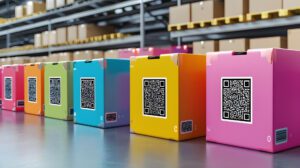
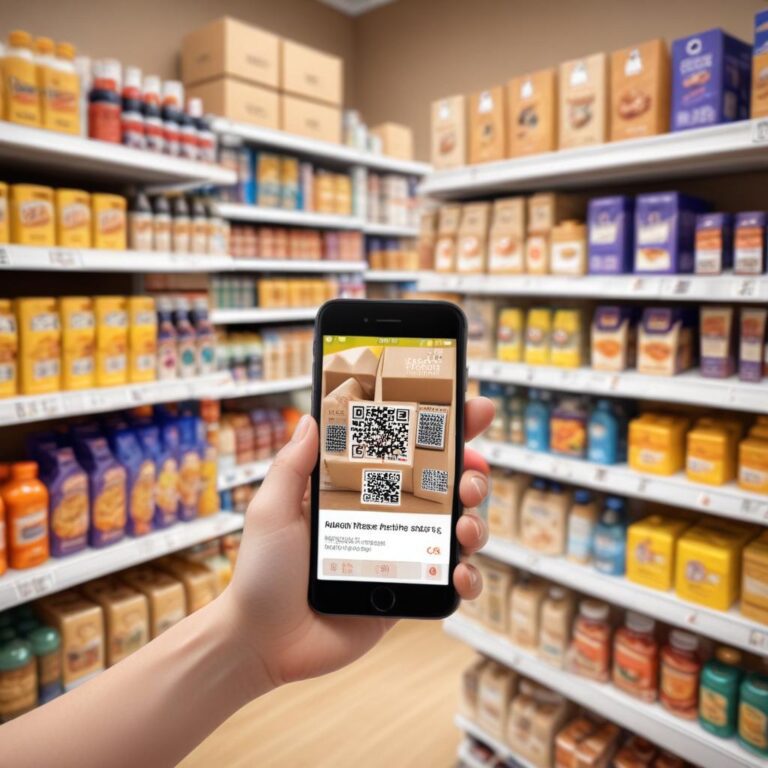
Smart packaging is packaging that does more than contain a product. It connects the physical object to a digital experience — delivering information, interactivity, or data in real time.
At its most basic, a QR code on a box counts as smart packaging. At its most sophisticated, it’s augmented reality that launches a full brand story when a user points their phone at it. The spectrum is wide, but the principle is the same: the package becomes a live interface.
Traditional packaging communicates one way. It tells you what’s inside, how to use it, and when it expires. Smart packaging opens a conversation. It can tell you where the product came from, let you play a game, collect your contact details, or update its content without ever going back to print.
How Does Smart Packaging Work?
Smart packaging uses embedded or printed triggers — QR codes, NFC chips, or AR markers — to connect a physical product to digital content via a user’s smartphone.
QR Codes
Still the most widely deployed smart packaging technology. Scan with any smartphone camera, no app required. Cheap to print, easy to update, universally understood. The limitation: the experience on the other end is only as good as what you build.
Augmented Reality (AR)
AR layers digital content over the physical world through a phone’s camera. On packaging, this means animated characters, product stories, mini-games, or instructional content that appears to come out of the box. No app required with WebAR — it runs entirely in the browser.
NFC (Near Field Communication)
Tap-based technology embedded in a label or cap. Faster than scanning, more premium feel. Common in luxury goods, pharmaceuticals, and wine. Higher cost than QR codes.
Why Smart Packaging Matters in 2026
2026 is a turning point for smart packaging. The shift is no longer about novelty — it’s about data, transparency, and meaningful user engagement.
According to Food Navigator, 2026 packaging innovation is moving decisively toward precision and data-based decision-making, away from flashy materials toward technology that delivers measurable results. (Source: Food Navigator, December 2025)
For CPG brands, smart packaging solves a long-standing problem: once a product leaves the factory, the brand loses contact with the user. Smart packaging reconnects that relationship at the exact moment of purchase or use.
What brands are using it for:
- Storytelling — origin stories, ingredient transparency, sustainability credentials
- Engagement — gamified experiences, loyalty rewards, competitions
- Data collection — first-party user data without relying on third-party cookies
- Authentication — anti-counterfeiting verification for premium products
- Compliance — real-time regulatory information and allergen alerts
Smart Packaging in CPG: Real Examples
The best smart packaging experiences don’t interrupt the user — they reward the curious ones.
In Southeast Asia, HOVARLAY has activated smart packaging for brands across food and beverage, beauty, and retail. One example: a Chinese New Year packaging campaign for HERA Bathroom that turned red packets into AR experiences — users scanned and unlocked animated brand stories. Engagement rates reached 13.23% on average across campaigns.
When the experience is genuinely enjoyable, users scan. When they scan, brands learn. When brands learn, they improve.
Smart Packaging Trends Shaping 2026
The smart packaging landscape in 2026 is defined by three forces: sustainability, data ownership, and no-code accessibility.
1. Digital-physical convergence without reprinting
Brands are realising they don’t need to redesign packaging to activate it. A QR code added to existing packaging — even as a sticker — is enough to launch a full AR experience.
2. First-party data becomes a packaging feature
With third-party cookies gone, the product itself becomes a data collection point. Brands that build smart packaging campaigns now are building owned user data assets.
3. WebAR replaces app-based AR
App fatigue is real. Users won’t download a brand’s AR app. WebAR launches directly from a QR scan with no friction. According to Precedence Research, the global AR and VR market is valued at USD 75.18 billion in 2025, growing to USD 118.79 billion in 2026.
4. No-code tools democratise smart packaging
Platforms like HOVARLAY’s Creator allow brand teams to build, publish, and update WebAR experiences without writing a single line of code.
5. Gamification drives lead generation
HOVARLAY’s Campaigns product averages 13.23% conversion on gamified lead capture — well above industry norms for digital marketing.
How to Activate Smart Packaging with HOVARLAY

HOVARLAY turns any existing packaging into an interactive WebAR experience — no app, no reprint, no developer required.
- Upload your packaging design to HOVARLAY Creator
- Build your AR experience — animated content, games, lead capture forms, brand stories
- Generate a QR code that links to your WebAR experience
- Add the QR code to your packaging (print, sticker, or next production run)
- User scans — the WebAR experience launches instantly in their browser
- Track everything via HOVARLAY Insights — scans, engagement, conversions, geography
Frequently Asked Questions
What is smart packaging in simple terms?
Smart packaging is physical packaging that includes a digital element — usually a QR code, NFC chip, or AR marker — that connects the product to a digital experience when scanned or tapped by a smartphone.
Is smart packaging expensive?
Not necessarily. Adding a QR code to existing packaging costs very little. The investment is in the digital experience on the other end. Platforms like HOVARLAY start from free and scale by SKU.
What is the difference between smart packaging and connected packaging?
They are often used interchangeably. Connected packaging typically refers to packaging that transmits data via NFC or sensors. Smart packaging is the broader term covering any packaging with a digital layer.
Do users need to download an app to use smart packaging?
Not with WebAR. Browser-based AR launches directly from a QR scan without any app download. This significantly increases scan rates compared to app-dependent experiences.
What industries use smart packaging most?
Food and beverage, beauty and personal care, pharmaceuticals, luxury goods, and alcohol are the heaviest adopters.
Ready to turn your packaging into a smart experience? Start free on HOVARLAY →