On this page
What Are Consumer Packaged Goods (CPG)? A Complete Guide for Modern Brands
- Introduction
- What Counts as Consumer Packaged Goods (CPG)?
- Key Trends Transforming the CPG Industry
- 1. Experience-Driven Product Packaging
- 2. Sustainability and Ingredient Transparency
- 3. Real-Time Consumer Insights
- 4. Omnichannel Shopping Behaviour
- Why Packaging Matters More Than Ever in CPG
- The Future of Consumer Packaged Goods


Introduction
Consumer Packaged Goods (CPG) are the everyday essentials people purchase frequently—snacks, beverages, personal care items, household supplies, and more. These products move quickly, compete heavily on shelves, and rely on strong brand presence to drive repeat purchases.
As consumer expectations evolve, the CPG industry is reshaping itself around better experiences, stronger storytelling, and more data-driven decision making. This guide breaks down what CPG means today, what categories it covers, and why modern brands must innovate to stay ahead.
What Counts as Consumer Packaged Goods (CPG)?
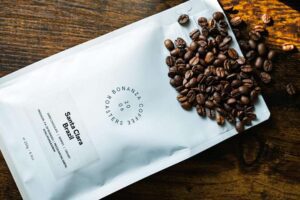
CPG refers to products with short buying cycles, high turnover, and constant demand. The core categories include:
- Food & Beverages: snacks, drinks, condiments, ready-to-eat items
- Beauty & Personal Care: skincare, toothpaste, body wash, shampoo
- Health & Wellness: supplements, OTC healthcare, hygiene products
- Household Essentials: cleaning products, detergents, paper goods
- Baby & Family Products: diapers, wipes, gentle care items
These products sit in one of the most competitive industries globally—where packaging, positioning, and consumer experience determine market success.
Key Trends Transforming the CPG Industry
1. Experience-Driven Product Packaging
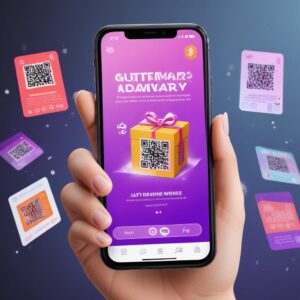
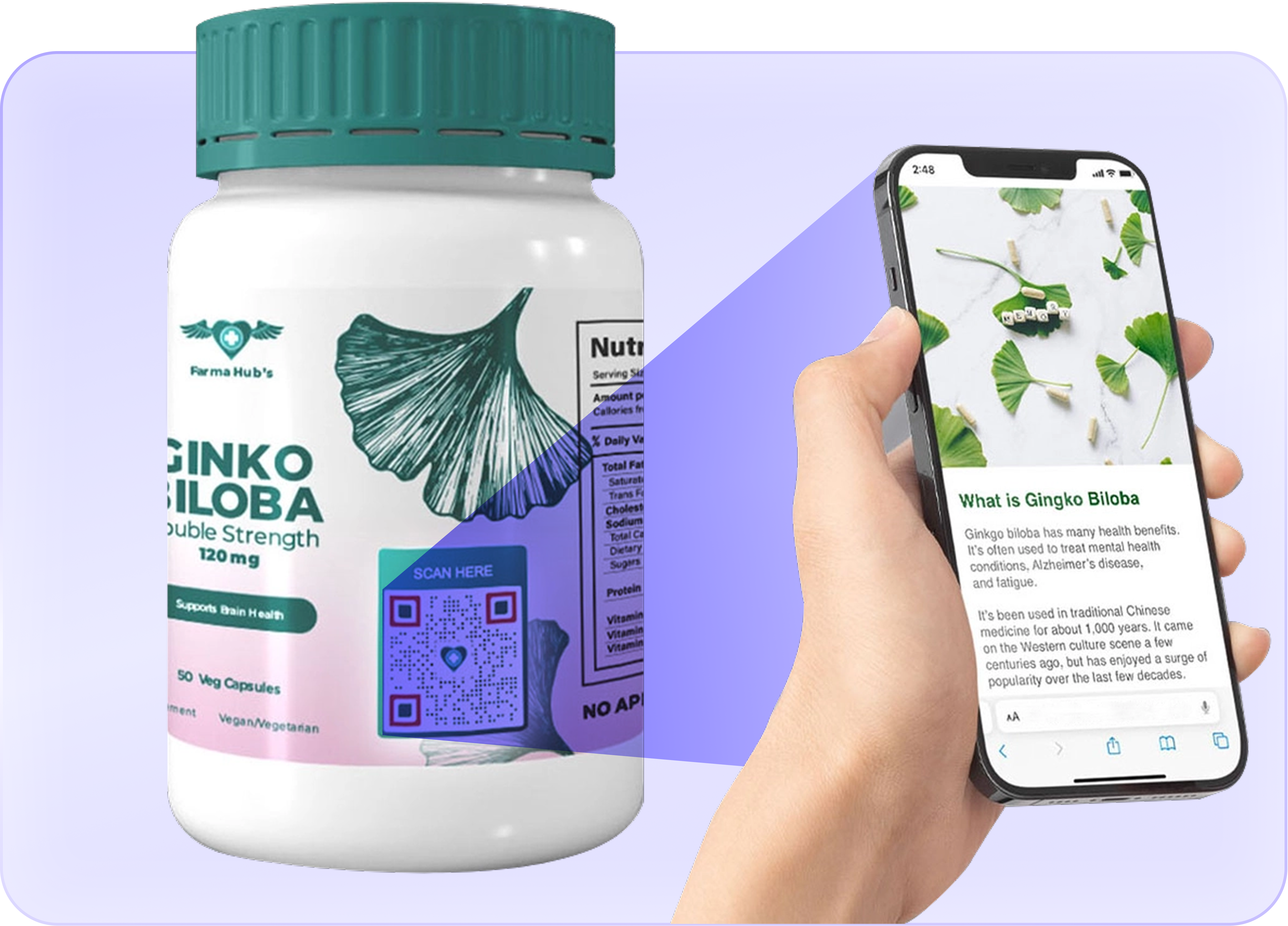
Consumers want more than static labels. Experience-driven packaging—such as interactive storytelling and dynamic content—helps brands stand out instantly while giving shoppers more reason to engage.
Brands that integrate digital layers into packaging can educate, entertain, and connect with customers without redesigning or reprinting their packaging.
2. Sustainability and Ingredient Transparency
Modern buyers prioritise brands that:
- use responsible materials
- reduce packaging waste
- offer ingredient clarity
- show ethical sourcing
- demonstrate environmental awareness
Clean, honest communication builds trust and strengthens brand loyalty.
3. Real-Time Consumer Insights
With thousands of products competing for visibility, understanding consumer behaviour is no longer optional. Data-driven insights help CPG brands optimise everything from product innovation to retail performance.
Brands now rely on real-time analytics to understand:
- what shoppers interact with
- what information they seek
- how they respond to storytelling
- which products drive repeat engagement
4. Omnichannel Shopping Behaviour
Consumers discover and buy CPG products through multiple channels, often simultaneously:
- retail shelves
- e-commerce platforms
- social media
- convenience stores
- subscription models
Winning brands show up consistently across all touchpoints, with clear messaging and recognizable packaging.
Why Packaging Matters More Than Ever in CPG
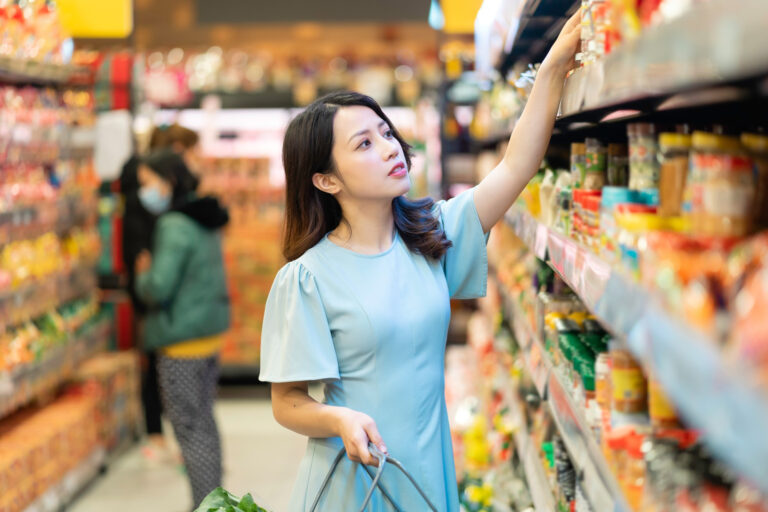
Consumers judge CPG products in seconds. That moment of attention is where packaging makes—or breaks—the decision.
Effective packaging delivers:
- immediate recognition
- clear benefits
- emotional connection
- shareability
- increased shelf impact
In a crowded category, packaging becomes one of the brand’s strongest marketing assets.
The Future of Consumer Packaged Goods
The CPG industry is rapidly evolving. Emerging opportunities include:
- interactive, curiosity-driven product experiences
- flexible packaging content that updates anytime
- deeper personalization
- sustainability-led innovation
- data-powered decision making
The brands that adapt early will rise above the noise, capture modern consumer attention, and build long-term loyalty.