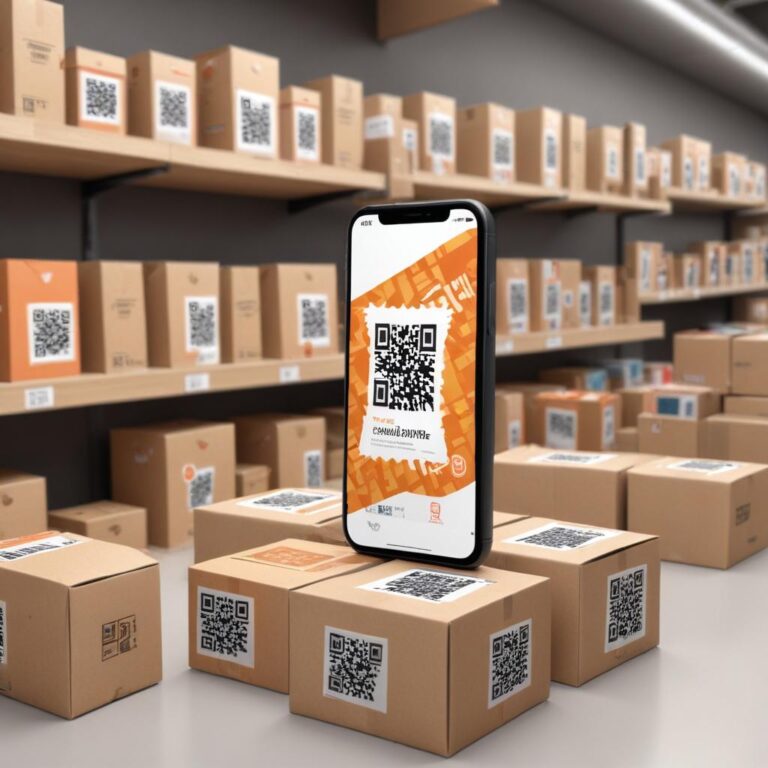


What AR for FMCG Actually Delivers
AR for FMCG delivers three things that standard packaging cannot: post-purchase engagement, first-party data capture, and repeatable activation at scale.
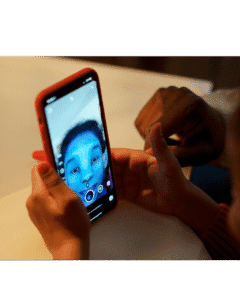
Once a user scans a QR code on an FMCG pack, they enter a browser-based AR session. That session can include a 3D product demo, an animated brand story, a spin-wheel campaign, or a recipe walkthrough, depending on what the brand configures. The entire experience lives in the browser, so there is no download friction standing between the pack and the interaction.
The commercial case is straightforward. Physical packaging has a fixed print run. A WebAR layer built on top of it can be updated instantly: swap the campaign, update the prize pool, localise the content for a new market, or change the CTA, without touching the physical label. This means a single print run can carry multiple campaigns across its shelf life.
For FMCG teams under pressure to justify packaging investment, that flexibility is the key differentiator. Traditional on-pack promotions require a reprint every time the campaign changes. AR promotions update in a dashboard. The physical SKU stays the same; the digital layer evolves.
—
Why FMCG Packaging Is the Right AR Surface
FMCG packaging has higher per-unit consumer touchpoints than almost any other physical marketing format, which makes it the most efficient surface to activate with AR.
A typical FMCG product gets picked up, read, purchased, and used multiple times before it reaches end of life. Each of those moments is a potential AR trigger. Unlike a poster or an out-of-home placement, the packaging travels home with the buyer, sits on a shelf or countertop, and stays in the household through multiple usage cycles. That is multiple scan opportunities per unit sold.
Research from Deloitte Digital indicates that interactive packaging experiences increase brand recall by up to 70% compared to standard packaging (Deloitte Digital, 2024). For FMCG brands competing on shelf against dozens of nearly identical products, that recall uplift represents a real commercial advantage.
The mechanics also suit the FMCG purchasing pattern. FMCG buyers make decisions quickly and habitually. AR on packaging does not need to deliver a long experience to be effective. A 20-second spin-wheel gamification campaign, or a 30-second recipe video triggered by a QR scan, fits naturally into the time a user spends with a product at home or in-store. The bar for engagement is low; the return on that engagement can be significant.
According to a 2025 Statista report on augmented reality in retail, the global AR retail market is projected to reach $14.3 billion by 2028, with FMCG and CPG verticals identified as the fastest-growing adoption segments (Statista, 2025). Brands that start building AR packaging experience now are positioning for a distribution advantage that compounds over time.
—
How to Run AR for FMCG Without a Development Team

No-code WebAR platforms allow FMCG brand managers to build, launch, and update AR packaging campaigns from a browser dashboard, with no developers required.
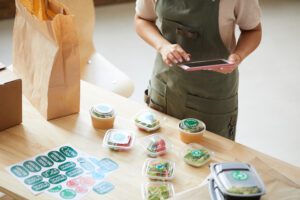
The build process on a platform like [HOVARLAY’s WebAR builder](/webar-builder/) works in three stages. First, you upload your 3D asset or video content, or choose from the platform’s template library. Second, you configure the campaign layer: spin-wheel reward, lead form, recipe overlay, or brand narrative. Third, you generate a QR code that links to the experience and embed it on your next print run or add it to a sticker for your existing stock.
For FMCG brands running multiple SKUs, the per-SKU pricing model matters. Platforms that charge per view or per interaction become expensive at scale when you have high-velocity products. A per-SKU monthly model, like [HOVARLAY’s Starter plan at $6-9 per SKU per month](/pricing/), gives finance teams a predictable cost structure that scales with the catalogue rather than the traffic.
The fastest way to validate AR for FMCG is to pilot it on one SKU: ideally your best-selling product or a product with a known engagement problem. Set a 90-day test window, measure scan rate, session duration, and lead capture volume, then compare against the cost of the campaign layer. If the numbers work at one SKU, expanding to five or ten is an operational decision, not a technical one. See [how brands in similar verticals have run this test](/case-studies/) before committing to a full rollout.
—
Setting Up Your First AR for FMCG Campaign
The fastest path to a live AR for FMCG campaign is a single SKU, a no-code builder, and a clear call-to-action that gives users a reason to scan.
Start by identifying the one product in your range where additional post-purchase engagement would have the clearest commercial impact. This might be a product with a high trial-but-low-repeat rate, where an AR recipe demo could drive a second purchase. Or it might be your hero SKU, where a loyalty spin-wheel could generate first-party data at scale.
Next, choose your campaign mechanic. For FMCG, the highest-performing AR formats are gamified campaigns (spin-to-win, scratch-card style interactions) and utility-led experiences (recipe demos, usage tutorials, ingredient storytelling). HOVARLAY’s Campaigns module runs gamified lead gen with an average 13.23% conversion rate across active campaigns, which is a useful benchmark when setting your own performance targets.
Once the campaign is live, the measurement layer matters as much as the creative. Track scan rate per unit sold (not total scans), session duration, lead capture volume, and return scan rate. Return scan rate, the percentage of users who scan the same pack more than once, is the clearest signal that the experience has enough utility or entertainment value to sustain repeat engagement. Build that into your reporting from day one.
Start free at https://dashboard.hovarlay.com/signup and pilot AR on one SKU within a single sprint.
—
Frequently Asked Questions
Q: What does AR for FMCG mean in practice?
AR for FMCG means adding an augmented reality experience to fast-moving consumer goods packaging, typically triggered by a QR code on the label. When a user scans the code with their smartphone camera, they access a browser-based experience, such as a recipe demo, a gamified reward, or a brand story, without downloading an app. It turns a one-time packaging interaction into a repeatable digital engagement.
Q: Do FMCG brands need a developer to build AR packaging campaigns?
No. No-code WebAR platforms handle the technical layer, so brand managers and marketers can build and update AR experiences through a browser dashboard. The main inputs are your content assets (video, 3D model, or image) and your campaign mechanic. From there, the platform generates the QR code and hosts the experience.
Q: How much does AR for FMCG packaging cost?
Costs vary by platform and pricing model. Per-SKU monthly subscriptions typically range from $6 to $59 per SKU per month depending on features. View-based pricing can become expensive for high-velocity FMCG products. A per-SKU model gives more predictable costs for brands with large catalogues.
Q: What AR for FMCG campaign formats perform best?
Gamified formats, such as spin-to-win wheels and scratch-card interactions, consistently outperform static content for FMCG. They give users an immediate reward incentive and capture first-party data in exchange. Utility-led formats, like recipe demos and ingredient explainers, perform better for brands where product education is part of the purchase decision.
Q: How do I measure success for an AR for FMCG campaign?
Track scan rate per unit sold, session duration, lead capture volume, and return scan rate. Scan rate per unit sold tells you whether the QR placement and design are working. Session duration tells you whether the content is holding attention. Return scan rate is the strongest indicator of ongoing engagement value. Set a 90-day baseline on a single SKU before drawing conclusions.
—
*Published by HOVARLAY Editorial Team. [Explore HOVARLAY’s WebAR platform](/webar-builder/) or [sign up free](/sign-up/) to pilot AR on your first SKU.*